Author: Philosophy Talk

  • A Vindication of Mary Wollstonecraft

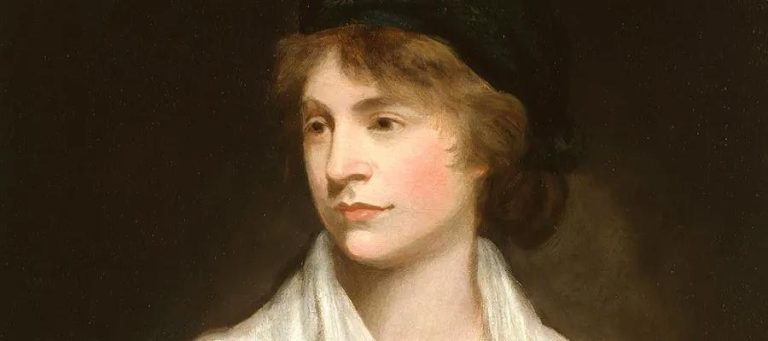
    Mary Wollstonecraft was a fascinating philosophical figure, in part because she didn’t just write philosophical treatises. Like our previous Wise Woman, Margaret Cavendish, she wrote pamphlets and even novels. And she campaigned not just against sexism but against all kinds of inequality.

  • Weird, Wild Stuff

    Did you know that some lizards reproduce themselves by cloning? And sea squirts are even weirder: they start their lives as free-swimming larvae, but then they attach themselves to rocks, digest their own brains, and become a totally different kind of creature.

  • Shakespeare’s Anti-Heroes?

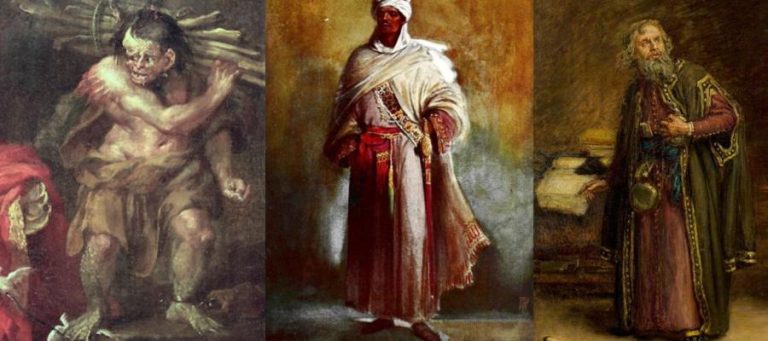
    In Shakespeare’s plays, characters like Othello, Shylock, and Caliban are often more interesting than the heroes. But Shakespeare can also be really unfair to those characters—they basically come off as racist stereotypes.

  • What’s On Your Mind?

    We’re constantly sharing what’s on our minds; heck, I’m doing it right now, by writing this blog. What’s fascinating, though, is that we also seem to do it without trying, or so much as noticing.

  • Margaret the First

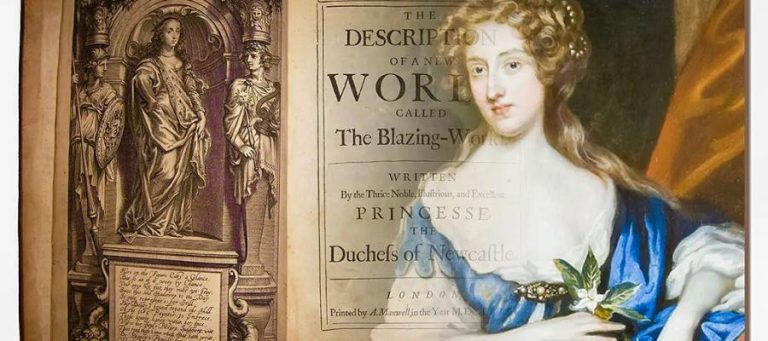
    Margaret Cavendish, Duchess of Newcastle in the 17th century, was a fascinating polymath. And she had a radical idea about the universe: everything in it thinks. Amoebas, rocks, trees, dust—you name it, it’s cogitating.

  • The First Confucian Feminist

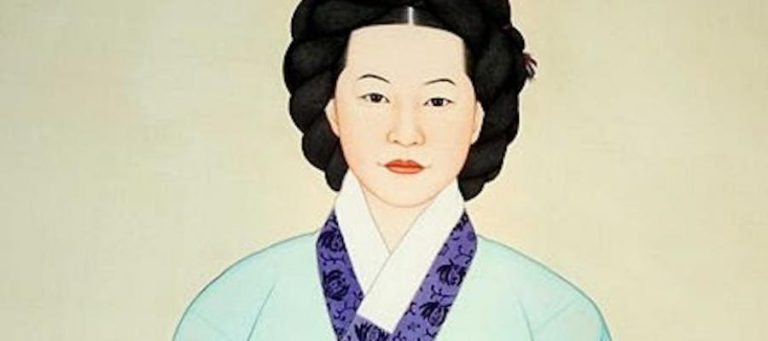
    Im Yunjidang was an early proponent of egalitarianism: she and thought all human beings have the same nature—men and women aren’t that different from each other, at a deep level. So anybody can achieve spiritual perfection, if they just work hard enough at it.

  • Welcome Our New Language-Learning Robot Overlords

    Babies have to learn lots of thing: how the objects around them behave, the rules of social interaction, the various parts of language. And it certainly seems like A.I.s learn language too. But what if all they do is imitate human speech?

  • The Possibility of Impossibility

    Philosophers talk a lot about possible worlds. Out there in the multiverse, maybe there’s a world where Josh teaches logic and Ray teaches Proust; that’s entirely imaginable. But could there somehow be an impossible world? One where Ray both does and does not teach Proust?

  • Wondrous Wonderment

    Wonder is a pretty cool emotion, one that we can feel toward so many things: the stars above us, the beauty of nature all around us, the artistic feats that humans are capable of. And it’s not just big things: watching a hummingbird in your garden, hearing a beautiful guitar solo, or feeling sand under your feet at the beach—those things can fill you with wonder too.

  • The First English Feminist

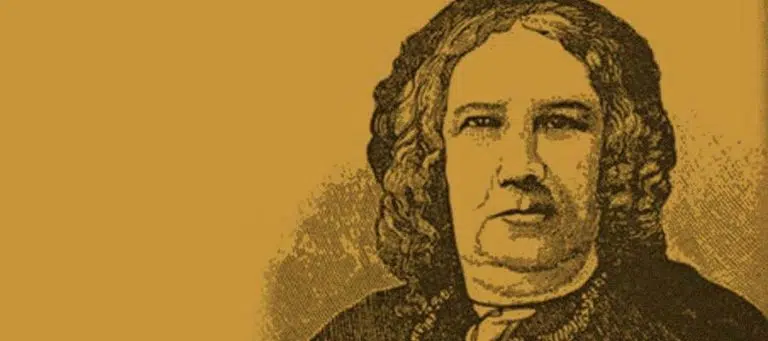
    Mary Astell argued that women are men’s intellectual equals, encouraged women not to marry, and proposed that they go to an all-women’s school instead. And she defended this proto-feminism with some really cool arguments.

  • The Tao of Zhuangzi

    Zhuangzi is a Taoist philosopher from 4th-century BCE China as well as the name given to the text containing his writings. It’s a lovely—and highly quotable—book, in which he argues (among other things) that everything is relative. He writes, “From the point of view of the Way, no thing is more valuable than any other.”

  • The Philosophical Princess

    For the latest episode in our NEH-supported Wise Women series, we’re exploring the life and thought of 17th-century philosopher-princess Elisabeth of Bohemia. These days, she’s most famous for her correspondence with René Descartes, in which she raised several objections to his mind-body dualism.

  • The Politics of Architecture

    Do buildings express political viewpoints? Some buildings do, of course: think about monuments to fallen soldiers, city hall buildings, or public housing. But is architecture always political? When it comes to pretty buildings, isn’t a flying buttress sometimes just a flying buttress?

  • Is It Real or Is It Simulated?

    Have you ever wondered—even if just for a second—whether we might all be in the “Matrix,” hooked up to machines and fed a non-stop computer-generated illusion? Or maybe we’re in a version of The Truman Show, where the objects we see are real but the people are just actors pretending to be our friends. How we could ever know for sure?

  • Making a (More) Moral World

    Making a better world would be a great thing—but do we really need philosophers to help us do that? They’re often some of the worst people out there and the last people we should be taking ethical advice from.

  • Ancient Renaissance Woman

    In her time in the 4th century, Hypatia was one of the most famous philosophers in Alexandria, and indeed in the ancient world. She studied so many different things—mathematics, astronomy, philosophy—and taught them too.