Climate as a Collective Action Problem
With floods and fires getting more frequent and intense, and the summer just ended shattering heat records around the globe, we clearly need to do something—collectively—about climate change.

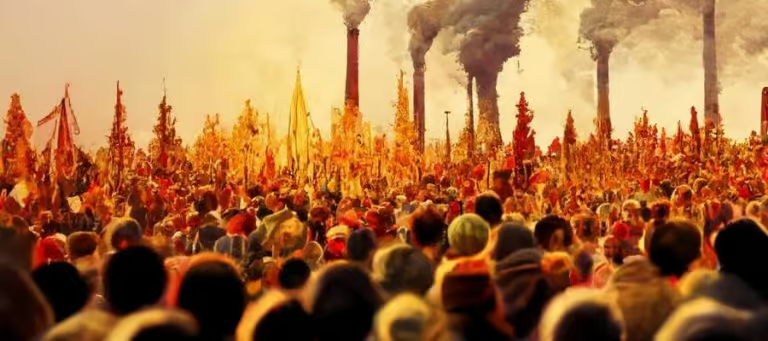
With floods and fires getting more frequent and intense, and the summer just ended shattering heat records around the globe, we clearly need to do something—collectively—about climate change.
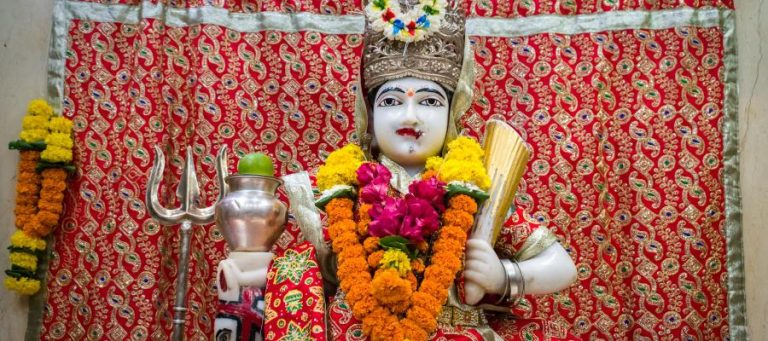
How can anyone own a culture? The British Museum is full of artifacts that the UK stole from all around the world, but mostly when we talk about cultural appropriation, we’re talking about borrowing an idea.

Effective Altruism is the idea that you should do the most good you can, and you should do research to figure out the best way to give. But if we were all effective altruists, wouldn’t we end up ignoring people in need in our own communities?

Political Inequality is when some people don’t get an equal voice in society, because they’re not represented in government, or they’re not allowed to vote, or their ballots are just ignored. Of course, that’s not all that matters—in fact it may not even be the main issue.
Is optimism rational? If you’ve been paying attention to the news lately, then pessimism about issues like climate change, women’s rights, the future of democracy seems more appropriate. But don’t we need optimism to even tackle those problems?
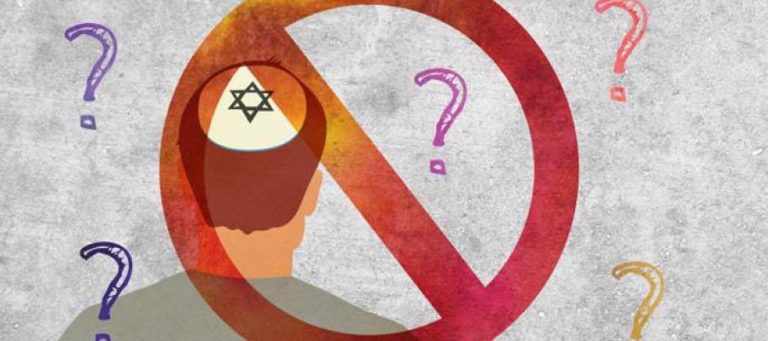
Antisemitism is a big problem these days and it’s hard to see it getting any better; both the FBI and the Anti-Defamation League reporting massive increases in incidents over the past several years. But antisemitism is also a really old problem.

Many of us love reading memoirs, but how many of us could write one? It might be fun for everybody to know the truth about our sordid lives—assuming those lives were interesting enough. Chances are many of us would have to make half of it up.
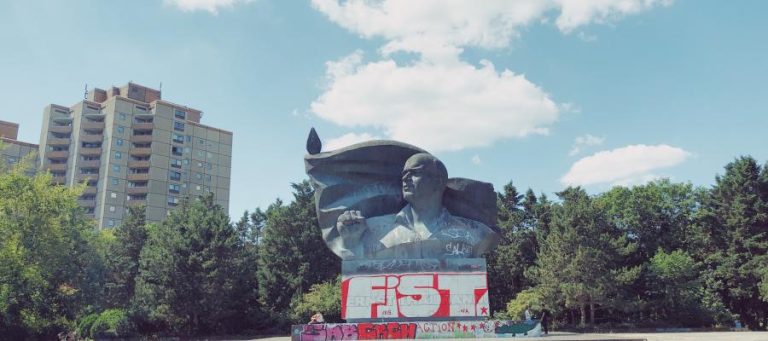
Is ideology just a system of false beliefs, like Fascism or Scientology, that’s opposed to reason? Or do belief systems like liberal democracy—the belief that everybody deserves the same freedoms, a say in their government, and the protection of the law, also count as ideology?

In my last pandemic puzzle, I posed the question: When do false beliefs exculpate? I floated a principle—the false belief criterion of exculpation—that tried to explain when false beliefs make someone not guilty of a moral offense, but it didn’t work in every case. So how do we solve this puzzle?
As a Downton Abbey neophyte, I cannot comment on whether the movie satisfactorily resolves the loose ends from the series, but I can say that it reveals social tensions rather than resolving them. Class is both idealized and undermined, and outsiders are both heralded and ultimately absorbed.
The success of Green Book, which won the Oscar for Best Picture, has been controversial because the narrative is centered on the white driver rather than the black pianist. Recent philosophical work on “epistemic injustice” reveals why centering the narrative like this harms black people.

The possibility of a world without work is making plenty of people nervous: what would it look like, will it actually be good for us, will life even be meaningful anymore? Is meaning the value by which we should be evaluating a world without work?

The world is a cruel place that has no shortage of suffering. It is no wonder that scholars of all stripes have been pulled by the gravity of the moment to redirect their intellectual talents and capacities for research toward more immediately pressing and urgent questions. It is why public philosophy is more important than ever.
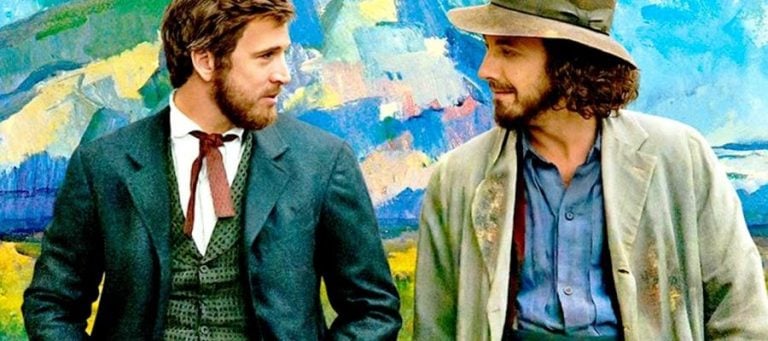
What makes a friend? Cézanne et Moi is the story of the friendship between Émile Zola…

Should we encourage students to study philosophy because it turns out that it’s actually a great way to make money and have a lucrative career? Or in doing so are we losing sight of the value of a philosophical education? Isn’t philosophy essential for a democratic citizenry, for example?

Is postmodernism to blame for the current state of American politics, as philosopher Daniel Dennett claims? Or has disrespect for the distinction between truth and lies been around since before postmodernism? Should we instead be thanking postmodernism for giving us frameworks and vocabularies to make sense of current politics?