Put Your Best Foot Forward
Philippa Foot was a member of the “Oxford Quartet” of moral philosophers, along with Elizabeth…

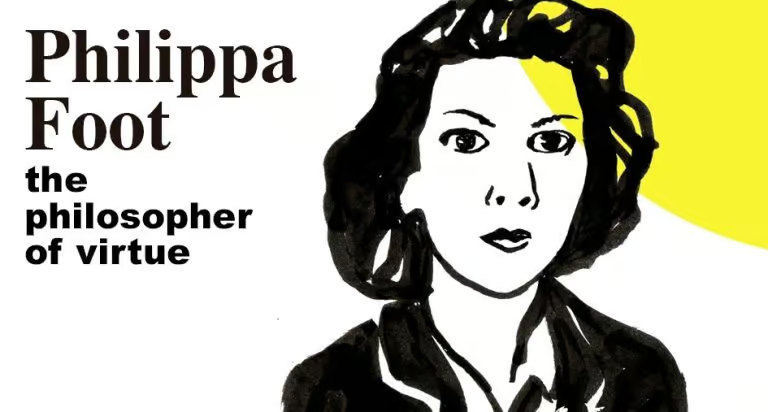
Philippa Foot was a member of the “Oxford Quartet” of moral philosophers, along with Elizabeth…

Mary Midgley, one of the so-called Oxford Quartet (along with Elizabeth Anscombe, Iris Murdoch, and Philippa Foot), was…

Have you ever driven 70 mph on a road where the speed limit is 65?…

Along with Elizabeth Anscombe, Philippa Foot, and Mary Midgley, Iris Murdoch was one of the “Oxford Quartet” of moral…

You’ve probably heard of the infamous Trolley Problem (we devoted a whole episode to it back in…

It’s that time of year again, when all eyes turn to Hollywood as the Academy…

Jorge Luís Borges is one of our favorite literary authors of all time—and one of…

Is there anything computers can’t do—or at least won’t be able to do at some…
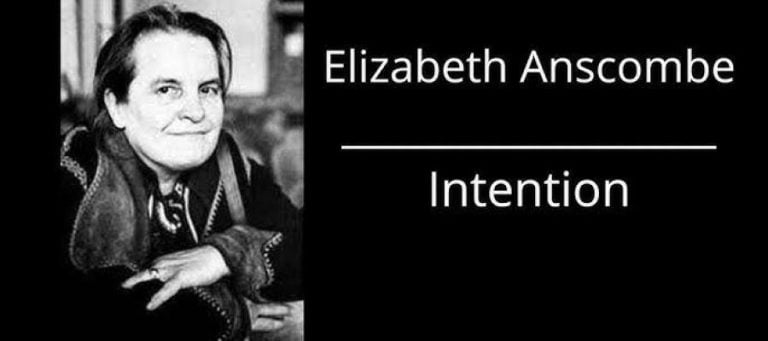
Elizabeth Anscombe was a hugely important 20th-century philosopher who worked on many topics: history, metaphysics,…

How much can we know about Mayan Mythology? Much of the Mayan way of life,…

Is there anything that makes human beings special? You might think language does: it’s pretty unlikely that…

Emma Goldman is a fascinating—and controversial—figure. She lived in my places: from Lithuania and Latvia to New York, London, Berlin, Spain, not to mention the Soviet Union, where she was deported in 1919. J. Edgar Hoover called her “one of the most dangerous anarchists in America.”

Simone Weil was an early 20th-century French philosopher who was born into a Jewish family but later adopted a mystical form of Christianity. She had many strong views, but she often practiced what she preached.

Anna Julia Cooper was born into slavery but became only the fourth African-American in history to earn a PhD. She lived into the 1960s, witnessing Reconstruction, Jim Crow, and the Civil Rights movement. Her book “A Voice from the South” influenced later thinkers like Frederick Douglass and W.E.B. Du Bois.
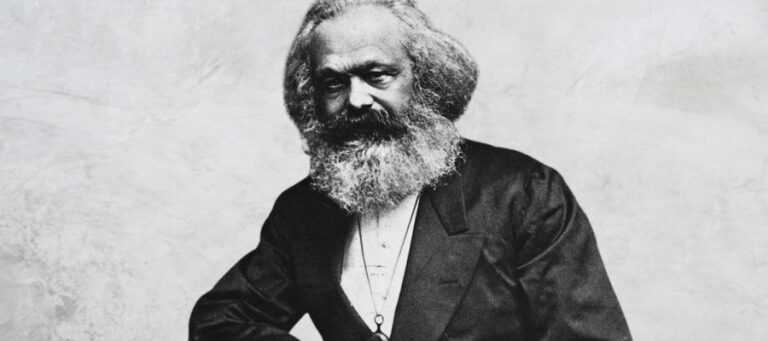
Did Karl Marx hate morality? He called morality a bourgeois prejudice, a way to trick workers into being docile drones instead of rebelling against the system. And yet at other times Marx sounds like very much the moralist.

Planning your trip home. Imagining what you’ll do if there’s traffic. Remembering the lyrics to…