Philosophers’ Corner

  • When Do False Beliefs Exculpate? (Pt. II)

    In my last pandemic puzzle, I posed the question: When do false beliefs exculpate? I floated a principle—the false belief criterion of exculpation—that tried to explain when false beliefs make someone not guilty of a moral offense, but it didn’t work in every case. So how do we solve this puzzle?

  • Gaining Knowledge without Learning

    You can come to know something by observation, by testimony, or by working it out in your head. But there’s another way of knowing something that doesn’t involve learning because it doesn’t involve coming to know a pre-existing fact. This way of knowing arises when you do something intentionally.

  • 2020: The Year in Poetry

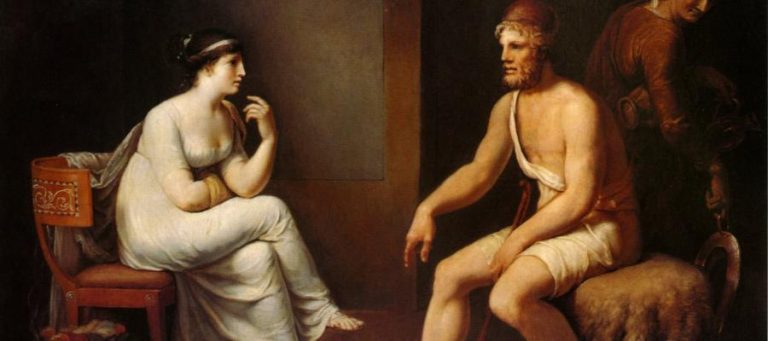
    As 2020 draws to a close, we take a look back at the year that has been. One good thing happened this year: the Nobel Prize in Literature was awarded to Louise Glück. Tune into this week’s show, “The Examined Year: 2020” to hear some of her poems, including my all-time favorite, “Ithaca.”

  • Are “Human” Embryos Human?

    Opponents of abortion argue that because embryos belong to our species, they are human embryos, and are therefore human beings. And as killing innocent human beings is wrong, abortion is wrong. But is it correct to say that human embryos are human beings?

  • Finding Minds in a Material World

    How did minds first evolve out of matter? Could consciousness have evolved more than once? How do we tell which living things have minds? Is there something it’s like to be a crab and live a crab’s life? This week we’re thinking about “Minds and Matter.”

  • When Do False Beliefs Exculpate? (Pt. I)

    Another month of pandemic… and another philosophical puzzle from me to distract you from it. This time, the puzzle concerns beliefs and specifically whether acting under the guidance of false beliefs can exculpate someone of a moral wrongdoing.

  • Should the Arts Be for All?

    Should artists make artworks that are easy to understand? Or should there be challenging artworks out there, but free education to help us understand them? What, if anything, is the value of difficult paintings, poems, and novels? This week we’re thinking about “The Arts for All.”

  • Say it Enough, They’ll Believe It

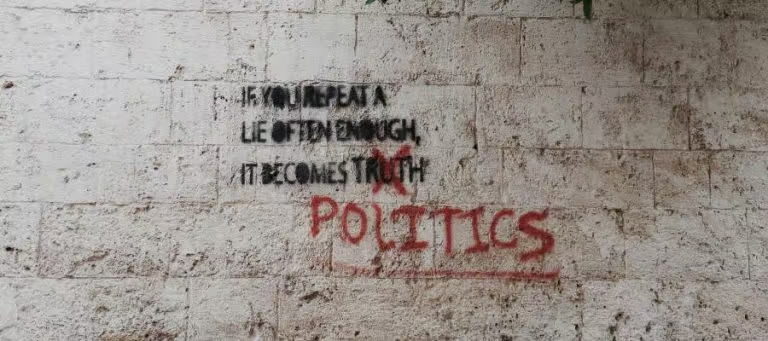
    If you repeat something often enough, people are more likely to believe it. That’s a phenomenon called the illusory truth effect. It can happen with smart people, and even when the statement is already known to be false. So why does repeating something make people more likely to believe it?

  • Whose Fault Is It Anyway?

    Who’s to blame for big problems like racism, factory farming, or climate change? Isn’t it time we held governments and corporations accountable? Or would that just let individuals off the hook? This week we’re talking about collective responsibility.

  • Why We Argue About Fiction

    From an evolutionary standpoint, it’s puzzling that humans consume fiction. Why waste valuable cognitive resources on information we know is unreal? But it is even more puzzling that we argue about such fictions! I explore some reasons why we do this.

  • What Would We Lose If We Had No Art?

    Think about the art you’ve enjoyed in your life: the novels, the television, the music, the poetry, the sculpture, the paintings—the list goes on. Now try to imagine a scenario in which none of this art had ever been made. What would we lose in a world like this?

  • Why Games Matter

    Do games help us form social bonds and build important life skills, or are they just a pleasant way to escape the daily grind? Worse yet, could playing games make us lazy and antisocial? These are some of the questions we’re asking in this week’s show, What’s in a Game?

  • Reasons to Hate

    Why is there so much hate in the world? Is hatred ever morally justified? Or does hate just breed more hate? What exactly is hatred anyway? These are some of the big questions we’re tackling on this week’s show, Why We Hate.

  • Abortion and Humanity

    In my last blog I explained how some opponents of abortion misappropriate my work on dehumanization, and why their argument doesn’t work. But if we understand dehumanization as the denial that some human beings are really human, this conception seems to serve the anti-abortion cause much better.

  • Skepticism and Trust in Science

    Why do so many people believe in conspiracy theories? Do we need to evaluate the evidence for ourselves, or should we just trust the experts? This week on Philosophy Talk, we’re discussing science and skepticism, and the role that trust plays in deciding what’s true.

  • Philosophy for the Apocalypse

    Several philosophers have recently remarked that it’s hard to do philosophy in the face of the apocalypse. Philosophy is sometimes seen as a special treat for the fattest of times, and an utterly impractical hobby in the leanest. Not only is this idea false, it’s also self-defeating.