Philosophers’ Corner

  • Cancelling in Public and Private

    Some consider cancel culture a real problem: people losing their jobs, being harassd online, their home addresses being shared. Others see people who do or say terrible things getting some pushback but mostly whining on their Netflix comedy special about how they’ve been victimized.

  • Why (Not) Trust Science?

    This week we’re asking why we should trust science—which may sound like a weird question. After all, why would we doubt the method that helps us build bridges and skyscrapers, formulate life saving medicines, and understand the cosmos?

  • 2022: The Year in Sound

    Following up on last year’s not-so-new experiment, here’s a little behind-the-scenes look into the brief audio montages (produced by yours truly) that we included in this year’s episode in lieu of the usual Roving Philosophical Report.

  • What Is It Like to See Conspiracies in Everything?

    Why would anyone want to think like a conspiracy theorist? They ignore contrary evidence, they think they’re experts on things that they know nothing about, and they project malicious intent onto events that have innocent explanations.

  • Why Read Proust in 2022?

    
The world is on fire; authoritarianism threatens multiple countries; racism and xenophobia are rampant; women’s and LGBTQ rights are under threat—why would anyone spend time reading a novel by a man who’s been dead a hundred years?

  • Do Good People Make Good Leaders?

    We sure could use leaders who accept basic science and legislate effectively. But do we need our leaders to be good people on top of all that? Isn’t asking them to be virtuous people kind of a high bar?

  • Liberalism and Self-Government

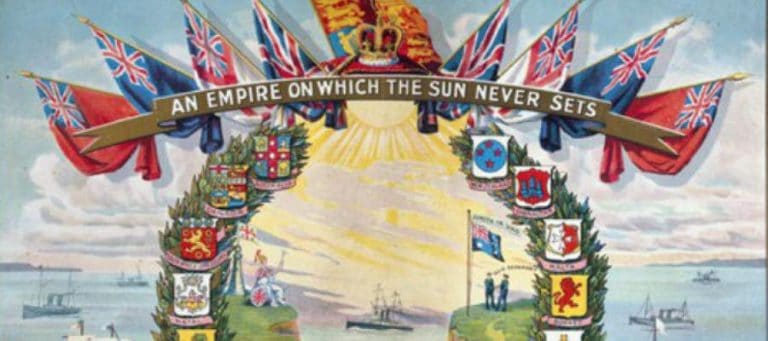
    Classical Liberal thinkers held that we’re all born free, equal, and capable of rationality. So how does that square with a British Empire that denied people around the globe their autonomy for centuries?

  • Climate as a Collective Action Problem

    With floods and fires getting more frequent and intense, and the summer just ended shattering heat records around the globe, we clearly need to do something—collectively—about climate change.

  • Culture, Appropriated

    How can anyone own a culture? The British Museum is full of artifacts that the UK stole from all around the world, but mostly when we talk about cultural appropriation, we’re talking about borrowing an idea.

  • Doing Good, Effectively

    Effective Altruism is the idea that you should do the most good you can, and you should do research to figure out the best way to give. But if we were all effective altruists, wouldn’t we end up ignoring people in need in our own communities?

  • Political vs. Economic Inequality

    Political Inequality is when some people don’t get an equal voice in society, because they’re not represented in government, or they’re not allowed to vote, or their ballots are just ignored. Of course, that’s not all that matters—in fact it may not even be the main issue.

  • Humans, the Optimistic Animal?

    Is optimism rational? If you’ve been paying attention to the news lately, then pessimism about issues like climate change, women’s rights, the future of democracy seems more appropriate. But don’t we need optimism to even tackle those problems?

  • Antisemitism, Then and Now

    Antisemitism is a big problem these days and it’s hard to see it getting any better; both the FBI and the Anti-Defamation League reporting massive increases in incidents over the past several years. But antisemitism is also a really old problem.

  • Memoir, Truth, and Self

    Many of us love reading memoirs, but how many of us could write one? It might be fun for everybody to know the truth about our sordid lives—assuming those lives were interesting enough. Chances are many of us would have to make half of it up.

  • Ideology and Belief

    Is ideology just a system of false beliefs, like Fascism or Scientology, that’s opposed to reason? Or do belief systems like liberal democracy—the belief that everybody deserves the same freedoms, a say in their government, and the protection of the law, also count as ideology?

  • Kant’s Guide to Morality

    Can you reason your way into being a good person? Or are your feelings a better guide for doing the right thing? This week we’re thinking about German enlightenment philosopher Immanuel Kant and his view of a universal morality based on reason.