Looking, Listening, Liberating
Simone Weil was an early 20th-century French philosopher who was born into a Jewish family but later adopted a mystical form of Christianity. She had many strong views, but she often practiced what she preached.


Simone Weil was an early 20th-century French philosopher who was born into a Jewish family but later adopted a mystical form of Christianity. She had many strong views, but she often practiced what she preached.

Anna Julia Cooper was born into slavery but became only the fourth African-American in history to earn a PhD. She lived into the 1960s, witnessing Reconstruction, Jim Crow, and the Civil Rights movement. Her book “A Voice from the South” influenced later thinkers like Frederick Douglass and W.E.B. Du Bois.

Did Karl Marx hate morality? He called morality a bourgeois prejudice, a way to trick workers into being docile drones instead of rebelling against the system. And yet at other times Marx sounds like very much the moralist.

Planning your trip home. Imagining what you’ll do if there’s traffic. Remembering the lyrics to…

Many people know Hildegard of Bingen for her musical compositions, which were really innovative for the 12th century and are still being performed today. In fact in the 1990s, an electronic version of them by Richard Souther even reached number one in the charts.

When we think of people who speak on behalf of us, we usually think of someone elected or appointed to do so: a congressperson, a senator, maybe even a department chair. But what about people who aren’t elected or officially appointed?

Nísia Floresta is often called “the Brazilian Mary Wollstonecraft” because people thought her first book was a translation of Wollstonecraft’s “A Vindication of the Rights of Women.” She does have some things in common with Wollstonecraft, especially with regard to women’s rights.

This year’s Summer Reading special (our 18th!) was a relatively orderly one, with a trio of interviews that shared some common ground in pop culture, exploring philosophical issues in popular TV series, fictional movie universes, and semi-obscure sci-fi stories.
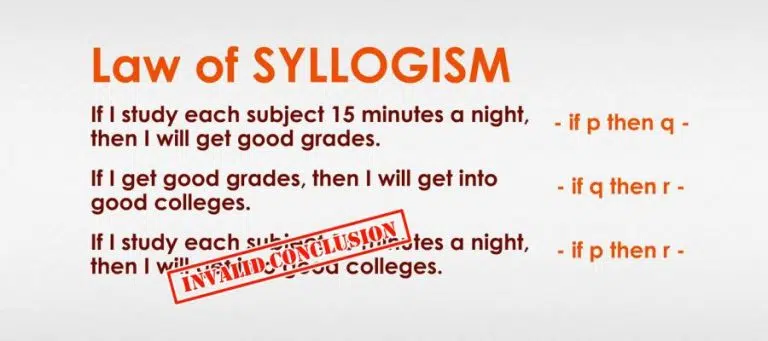
Suppose you need to persuade your roommate to do the dishes. You might try to reason with them, using an argument about fairness. But logical arguments often don’t work, and you may find yourself resorting to guilt and shame—or even threats—to get what you want.

Mary Wollstonecraft was a fascinating philosophical figure, in part because she didn’t just write philosophical treatises. Like our previous Wise Woman, Margaret Cavendish, she wrote pamphlets and even novels. And she campaigned not just against sexism but against all kinds of inequality.

Did you know that some lizards reproduce themselves by cloning? And sea squirts are even weirder: they start their lives as free-swimming larvae, but then they attach themselves to rocks, digest their own brains, and become a totally different kind of creature.

In Shakespeare’s plays, characters like Othello, Shylock, and Caliban are often more interesting than the heroes. But Shakespeare can also be really unfair to those characters—they basically come off as racist stereotypes.

We’re constantly sharing what’s on our minds; heck, I’m doing it right now, by writing this blog. What’s fascinating, though, is that we also seem to do it without trying, or so much as noticing.

Margaret Cavendish, Duchess of Newcastle in the 17th century, was a fascinating polymath. And she had a radical idea about the universe: everything in it thinks. Amoebas, rocks, trees, dust—you name it, it’s cogitating.

Im Yunjidang was an early proponent of egalitarianism: she and thought all human beings have the same nature—men and women aren’t that different from each other, at a deep level. So anybody can achieve spiritual perfection, if they just work hard enough at it.

Babies have to learn lots of thing: how the objects around them behave, the rules of social interaction, the various parts of language. And it certainly seems like A.I.s learn language too. But what if all they do is imitate human speech?