Quiz Night: The Slides
For those of you following along at home, here are the slides from our 20th Anniversary Quiz Night, held November 9, 2023 at KALW’s popup event space in downtown in San Francisco.


For those of you following along at home, here are the slides from our 20th Anniversary Quiz Night, held November 9, 2023 at KALW’s popup event space in downtown in San Francisco.

As part of the inaugural Ken Taylor Memorial Episode, we are republishing Ken’s 2018 blog post, “Why America Is Not a Nation,” in which he articulates some of what inspired this week’s special program.
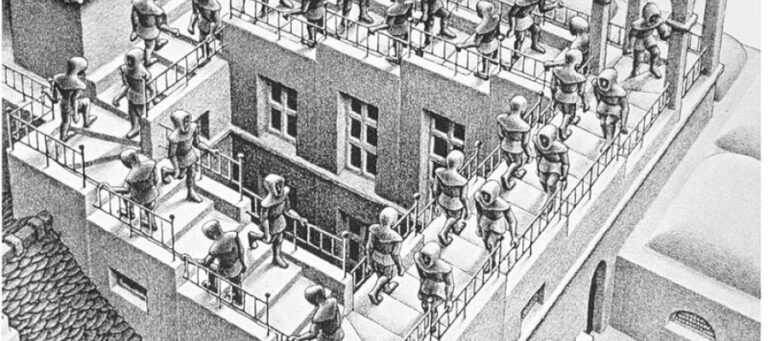
Philosophers talk a lot about possible worlds. Out there in the multiverse, maybe there’s a world where Josh teaches logic and Ray teaches Proust; that’s entirely imaginable. But could there somehow be an impossible world? One where Ray both does and does not teach Proust?
Wonder is a pretty cool emotion, one that we can feel toward so many things: the stars above us, the beauty of nature all around us, the artistic feats that humans are capable of. And it’s not just big things: watching a hummingbird in your garden, hearing a beautiful guitar solo, or feeling sand under your feet at the beach—those things can fill you with wonder too.
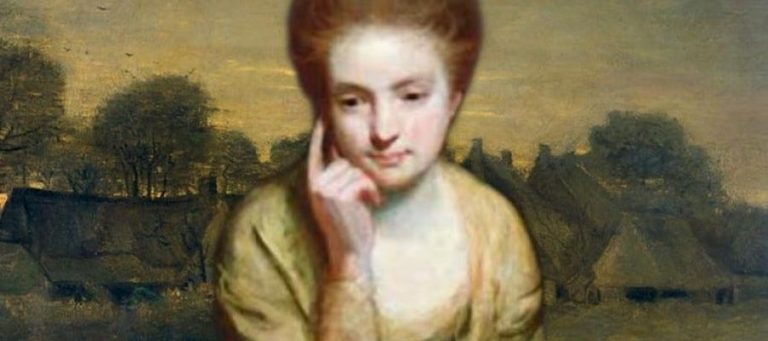
Mary Astell argued that women are men’s intellectual equals, encouraged women not to marry, and proposed that they go to an all-women’s school instead. And she defended this proto-feminism with some really cool arguments.
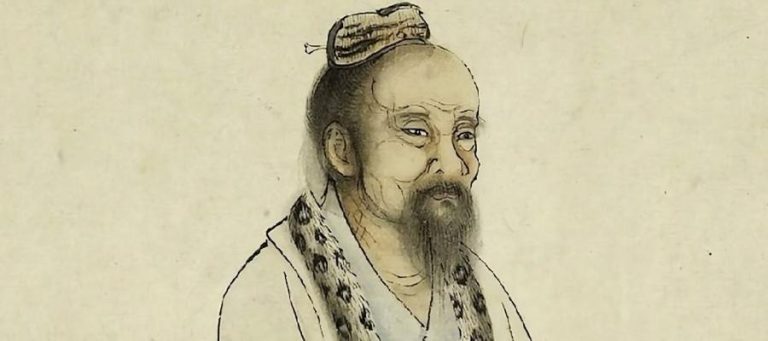
Zhuangzi is a Taoist philosopher from 4th-century BCE China as well as the name given to the text containing his writings. It’s a lovely—and highly quotable—book, in which he argues (among other things) that everything is relative. He writes, “From the point of view of the Way, no thing is more valuable than any other.”
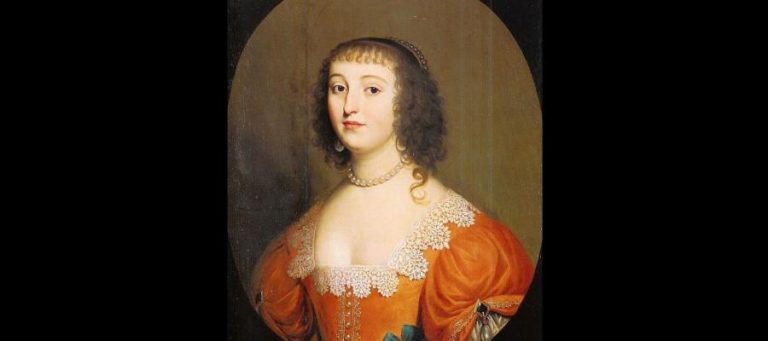
For the latest episode in our NEH-supported Wise Women series, we’re exploring the life and thought of 17th-century philosopher-princess Elisabeth of Bohemia. These days, she’s most famous for her correspondence with René Descartes, in which she raised several objections to his mind-body dualism.
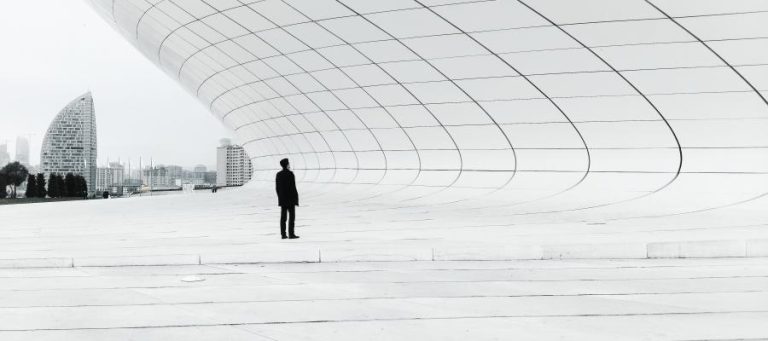
Do buildings express political viewpoints? Some buildings do, of course: think about monuments to fallen soldiers, city hall buildings, or public housing. But is architecture always political? When it comes to pretty buildings, isn’t a flying buttress sometimes just a flying buttress?
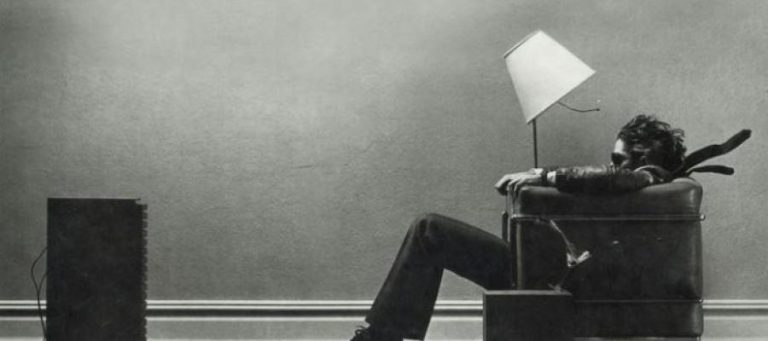
Have you ever wondered—even if just for a second—whether we might all be in the “Matrix,” hooked up to machines and fed a non-stop computer-generated illusion? Or maybe we’re in a version of The Truman Show, where the objects we see are real but the people are just actors pretending to be our friends. How we could ever know for sure?
There’s something fascinating about those kids who ate laundry soap as part of a weird “challenge,” or people who deliberately loiter on the steps with the “no loitering” sign. These are strange things to want to do—what are people getting out of them?
Making a better world would be a great thing—but do we really need philosophers to help us do that? They’re often some of the worst people out there and the last people we should be taking ethical advice from.
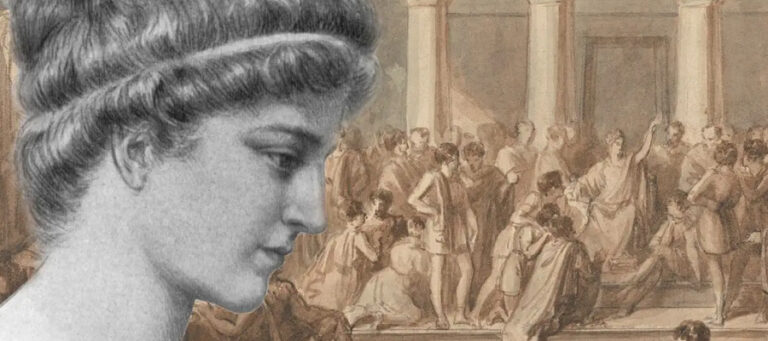
In her time in the 4th century, Hypatia was one of the most famous philosophers in Alexandria, and indeed in the ancient world. She studied so many different things—mathematics, astronomy, philosophy—and taught them too.

There are so many great ideas in the realm of Mexican philosophy: Sor Juana’s feminism, Emilio Uranga’s existentialism, all that fascinating stuff from the Aztecs and Mayans. But it’s worth asking why we lump all those things together.

We’re most most eager for you to listen to the edited broadcast and podcast, but there’s always good stuff from the conversations we record for these multi-guest episodes that had to be left on the cutting-room floor.
To some, gender is an oppressive system designed to keep women down. People go around saying girls are made of sugar and spice, and boys are made of snips and snails, and pretty soon you’re making 80 cents on the dollar. But there’s another side to gender.
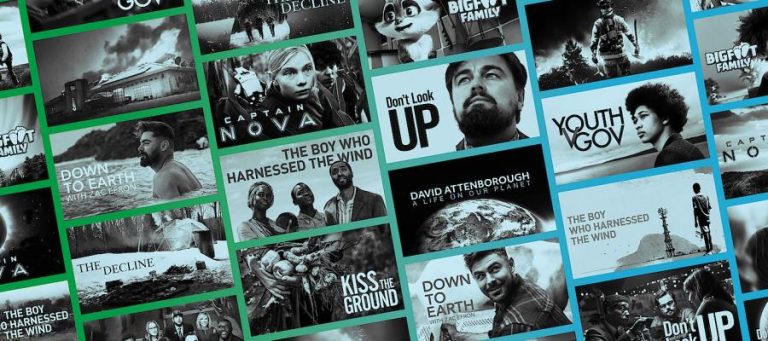
Fascism is on the rise, new infectious diseases keep cropping up, and we’re on the verge of environmental collapse: how could art possibly save us? Art may be a nice distraction, but surely what we really need are better leaders, better policies, and people who are willing to listen to science.