What would Jesus do?
Millions of people believe that Jesus is the Lord, the Son of God, sent…

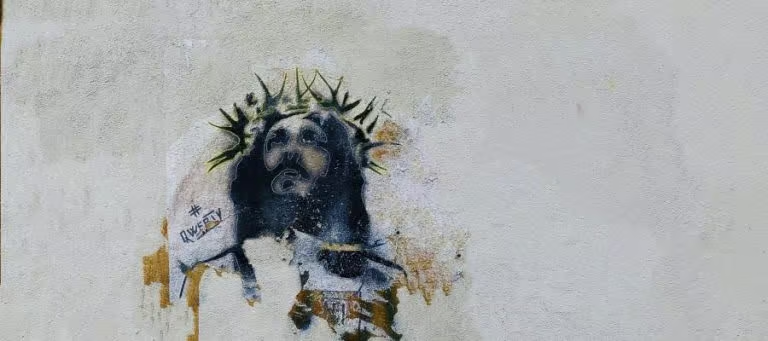
Millions of people believe that Jesus is the Lord, the Son of God, sent…

Topoi provides an excellent expression of a view of philosophy that I share: Topoi’s main…
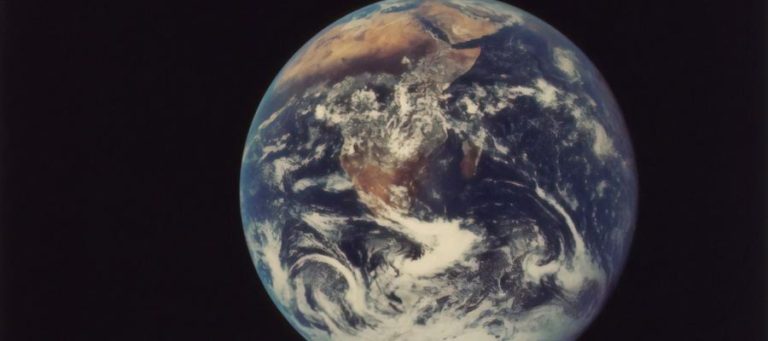
Suppose we frame it like this. Those currently alive will somehow collectively decide between two options: (i) Make minimal changes to the way we live, and leave future generations a very polluted, warm, earth. Or (ii) make substantial changes to the way we live, at great cost to our own comfort levels, and leave a much less polluted, and less warmed up world to future generations. There is a tradeoff; we live better, they live worse; they live better, we live worse. Why is it clear that it’s better for us to sacrifice and leave them better off?
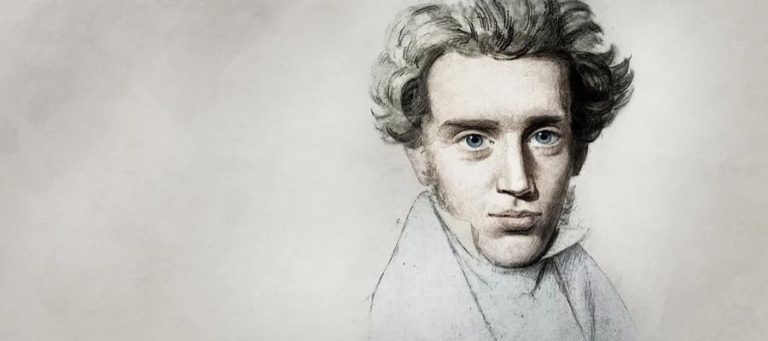
Kierkegaard was a very important Danish philosopher of the early 19th century. He criticized…

Holding something sacred is often associated with religion and God. Some things are held to be sacred because of their relation to God’s wishes and commands. I think our question is in part about contemporary mores. It’s also about what sort of convincing rationale there might be for something being sacred, in our more or less secular age.
Lots of people actually do believe in miracles. People who survive cancer against all the medical odds sometime regard that as a miracle – a real miracle, the sort that requires divine intervention. The question isn’t whether people do believe in miracles. People believe in all sorts of things. The question is whether people should believe in them. What would it take to convince a reasonable person that a genuine miracle has actually occurred?

Getting into the college or university of your choice – especially if it’s highly selective one — has become more daunting and more stress-inducing than ever before. The odds are stacked against students from the start. Consider Stanford. This year we had just over thirty two thousand applications to fill about sixteen hundred freshmen slots. So we accepted just seven percent of those who applied. Those are astounding numbers.
Schizophrenia affects about one out of two hundred people. It’s a serious mental disorder that…

I think when people say healthcare is a right, or ought to be a right, they don’t always have the same thing in mind. I think everyone would agree that you shouldn’t be denied healthcare on account of race or religion or ethnic origin, or sexual orientation. Well, maybe everyone wouldn’t agree, but it’s not what people usually dispute about. The question is whether you can get healthcare if you don’t have money to pay for it.
Quantum mechanics developed in the last century to deal with the tiniest parts of nature. …
People sometimes worry that modern-day philosophers don’t have the same impact on the public that philosophers have traditionally had, and continue to have in some other countries. That is what our experience suggests. Lots of public radio stations and their program directors are startled to hear about a show on philosophy. They’re very skeptical that their listening public would be interested. In fact, one of our motives in doing the program is to make philosophy more a part of public life.
Sunday’s guest is Robert Rowland Smith, author if Breakfast with Socrates and Driving with Plato….

‘Ilunga’ means a person who is ready to forgive any abuse for the first…
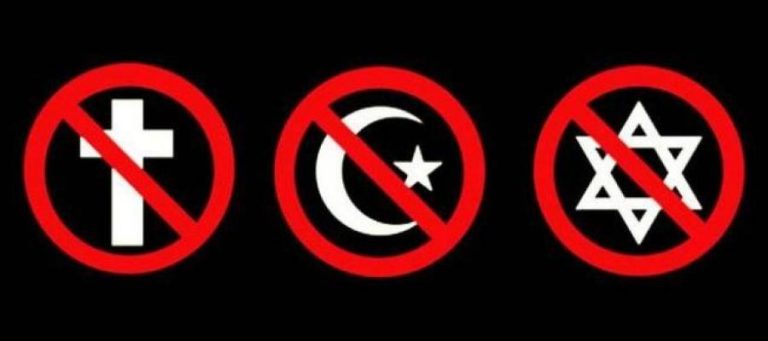
An atheist is someone who not only doesn’t believe in God, but believes, with…
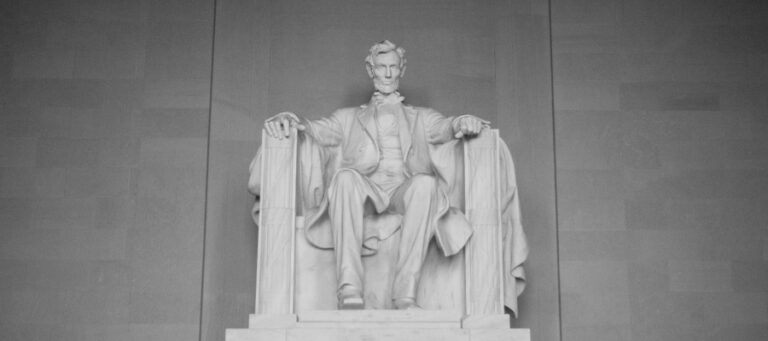
Lincoln is revered as our greatest President; he is virtually an American Saint. The Second Inaugural Address — the one that’s carved on the wall of the Lincoln Memorial — is really quite chilling. Especially if you think it really represents the philosophy of someone who has just pursued a path that led to the death of half a million people.
By the language of responsibility, we mean the way we report events for which someone…