Black Solidarity
February is Black History Month. So we thought it might be a good time…

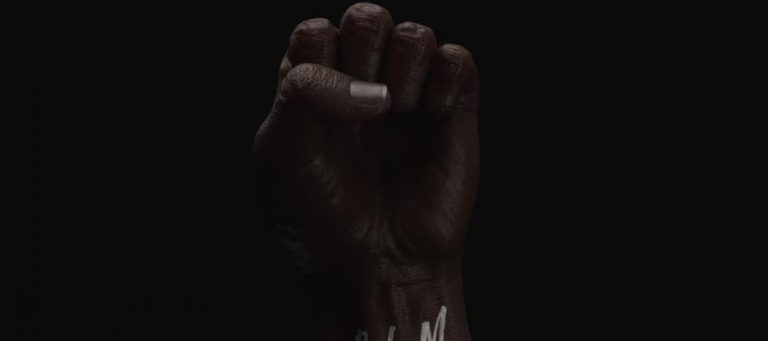
February is Black History Month. So we thought it might be a good time…

This is one of those times when we need to start by disentangling concepts. We use ‘private’ and ‘privacy’ in several different ways. Both words derive from ‘privus’ in Latin which means `single’ or `individual’. Being private is usually opposed to being public; privacy means withdrawn in one way or another from the public. In philosophy, we often say that one’s inner mental life is private, which means only you can know what you are thinking and feeling. Other people don’t have the same kind of direct access to your thoughts and feelings as you do.
Some famous and not-so-famous pieces of philosophy are, strictly speaking, fiction: the Dialogues of Plato,…

Democracy can take many forms. But is democracy itself – as opposed to this or that form of democracy – an inherently good thing? Smart people have differed on this issues. The great philosopher and statesman, Winston Churchill, noted, “democracy is the worst form of government except all those other forms that have been tried from time to time.” Plato was a better philosopher, and he disagreed. He thought democracy was the worst possible form of government. He favored an aristocracy run by philosopher kings.
This week, we do something special. We take a look back at the past year, though the lens of Philosophy. We call the episode — The Examined Year: 2011. But this is not your typical year in review show — not by a long shot. We take our inspiration, from Socrates who said that the unexamined life is not worth living. For us, that implies that that the unexamined year is not worth living through. Fortunately for us all, though, 2011 was a year well worth living through and well worth examining. It was best of times and the worst of times — a year in equal parts inspiring and troubling.

‘Nihilism’ is based on the Latin word for `nothing’: nihil. Nihilism is used for a…
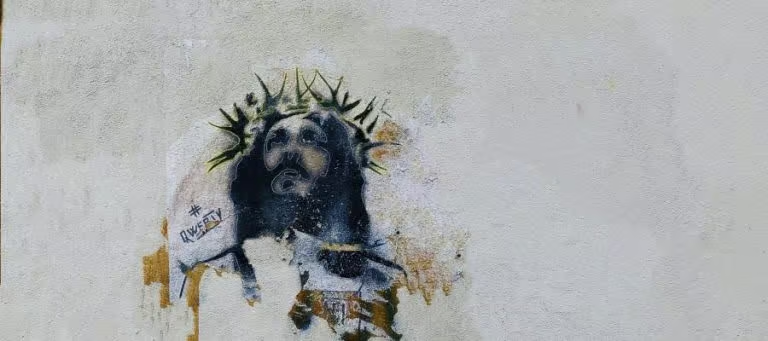
Millions of people believe that Jesus is the Lord, the Son of God, sent…

Topoi provides an excellent expression of a view of philosophy that I share: Topoi’s main…
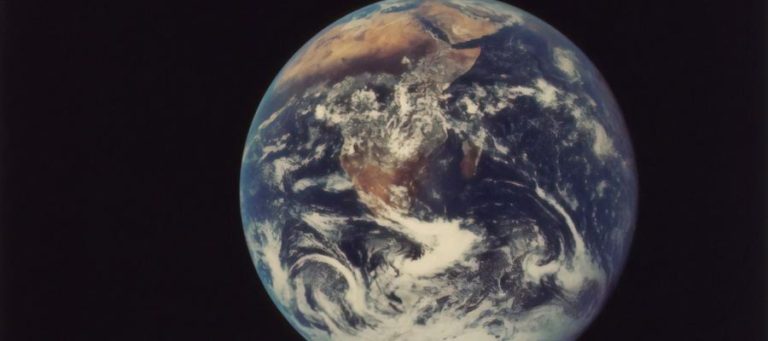
Suppose we frame it like this. Those currently alive will somehow collectively decide between two options: (i) Make minimal changes to the way we live, and leave future generations a very polluted, warm, earth. Or (ii) make substantial changes to the way we live, at great cost to our own comfort levels, and leave a much less polluted, and less warmed up world to future generations. There is a tradeoff; we live better, they live worse; they live better, we live worse. Why is it clear that it’s better for us to sacrifice and leave them better off?

This week’s episode is about “Forgetting and Forgiving.” Frankly, though, the ‘forgetting’ part is…

Though a few of my most left-leaning friends think we could do entirely without any sort of military, there has never been and will never be a vast and populous nation like ours without armed services. But even if we take it as a given that any nation, especially a nation that wants to be a significant player on the world stage, is going to have a military of some sort, that still leaves lots of questions open.

Kierkegaard was a very important Danish philosopher of the early 19th century. He criticized…

Holding something sacred is often associated with religion and God. Some things are held to be sacred because of their relation to God’s wishes and commands. I think our question is in part about contemporary mores. It’s also about what sort of convincing rationale there might be for something being sacred, in our more or less secular age.
Lots of people actually do believe in miracles. People who survive cancer against all the medical odds sometime regard that as a miracle – a real miracle, the sort that requires divine intervention. The question isn’t whether people do believe in miracles. People believe in all sorts of things. The question is whether people should believe in them. What would it take to convince a reasonable person that a genuine miracle has actually occurred?
At its best television can be an amazingly powerful medium. Through the magic of television, we can experience the whole drama of human life. Witness history unfolding. And be transported to the far reaches of the imagination. And our goal in this episode of Philosophy Talk is to honor and encourage the better angels of television, by shining the klieg lights on TV programs past and present, that make us think.

Cooperation is found in many species of animals. Take dolphins, wolves, and chimpanzees. They’re all amazingly successful hunters. Why? Because they’re highly cooperative hunters. And there’s no doubt that human beings have taken the art of cooperation to levels that our animal friends can’t begin to match.