‘Anybody Need a Kidney?’ or ‘What Are the Moral Limits of Markets?’
I’m in the process of looking for work. In the meantime, I’m a bit low…

I’m in the process of looking for work. In the meantime, I’m a bit low…
I have a few moments. So I want to ask the basic question: What is…
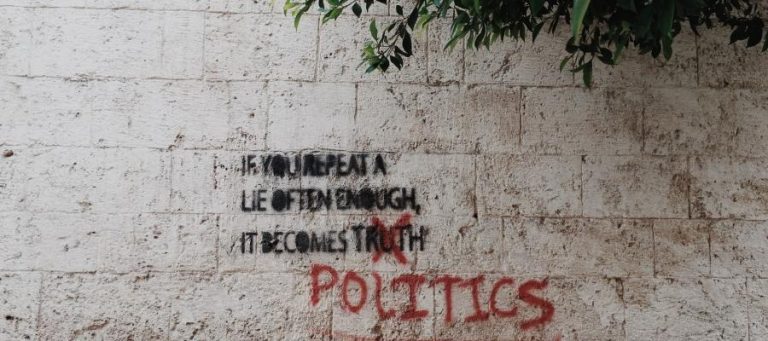
To appreciate how divided Americans are about politics, we might start with god, guns, and sex. Some Americans view gun ownership as a non-negotiable, an almost sacred right, and view homosexuality as an unholy abomination. Other Americans see guns as one of our greatest social ills and see differences in sexual orientation as no more significant than differences in eye color. But, of course, those are intrinsically emotionally charged issues, so you might expect deep divisions in such domains.

What is a self? Here’s is a really simple answer. I’m a self, namely, myself….

Our topic this week is the linguistics of name-calling. This episode is sort of…
With all the rapid advances in computer technology, are we humans moving toward a…

By guest blogger Joshua Landy What, if anything, do works of verbal art—poems, plays, novels,…

Why the suspicions about economics, expressed in our question for the show? Because there is so much basic, public, disagreement among economists — way more than in most sciences. You’ve got the Chicago School of economics, supply-side economics, Keynsian economics, and on and on. Beyond the basic law of supply and demand, is there really much that they agree on?

Many of us have been in love, and there have been countless great poems and popular songs written about it. So you’d think we’d all know what it is. Yet a lot of what has been written points to a deep mystery. So—as Cole Porter famously asked—what is this thing called love?

What do Girl Scout leaders, Army generals, corporate honchos, and Philosophy Department heads all have in common? Not much, I’d say. For example: whether you’re talking Girl Scout troops or Army troops — an effective leader still has to have the ability to communicate and motivate. But motivating a troop of pre-teen girls to work hard and earn their badges is a lot different from motivating a troop of soldiers in the face of battle. It’s easy to see how someone could be really good at the one, and bad at the other.
Before people think we’ve gone off the deep end, we should explain that by Mind…
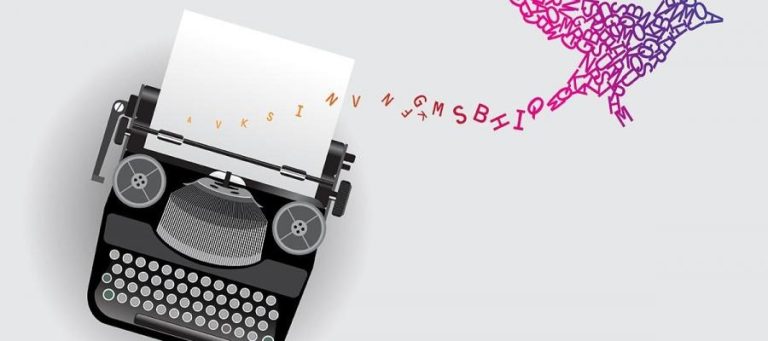
If the title of this week’s show sounds strange, it may be because we don’t normally think of poetry as being in the business of producing knowledge. Poetry, we might think, is about capturing impressions and expressing feelings. The goal of poetry is not to describe the world. That’s, after all, what we have science for.
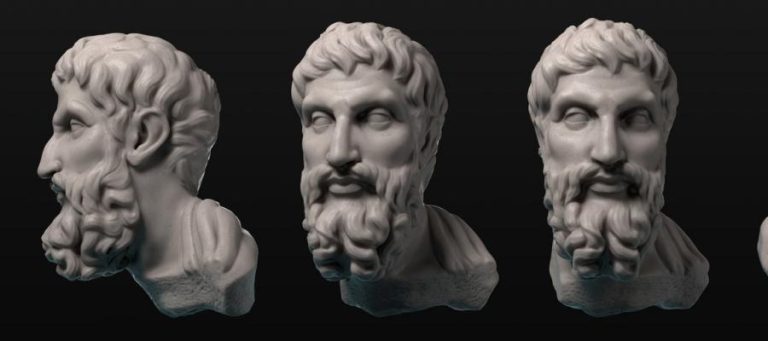
This week’s conversation is about Epicurus and the Good Life. Now in common parlance…

Pantheism is the view that the world is either identical to God, or an expression of God’s nature. It comes from ‘pan’ meaning all, and ‘theism,’ which means belief in God. So according to pantheism, “God is everything and everything is God.”
There seem to be two related senses or uses of `normal’. There’s what we might call the statistical sense: here normal is the average, the mean, or perhaps the median, or the typical. Then there’s the normative sense of normal. Normative means that what’s normal is what lives up to the norms, the standards. But which norms? There’re lots of norms, that it’s not normal to live up to.
I saw a number of movies I liked this year, some of which have gone on to be nominated for Academy Awards. Films like The Artist, which I loved, Moneyball, War Horse and The Help. Some of these touched on philosophical themes, but that wasn’t what they were about. Fine for the Oscars, but not for Dionysus Awards.