Philosophers’ Corner

  • Babies and the Birth of Morality

    One of the many questions on the subject is whether morality is innate or learned. If you want to answer that question, what better place to begin than with babies? Well, you might be skeptical that newborns, of all people, have something to teach us about the nature of morality. It’s not like newborns face a lot of deep moral dilemmas — “Should I laugh at the big guy making the silly faces at me or should I cry?”

  • Neuroscience and the Law

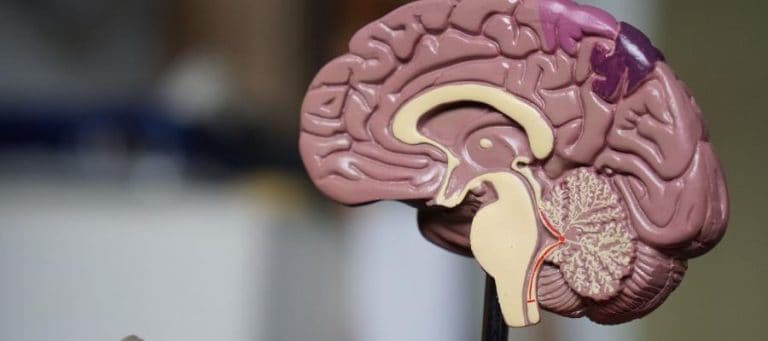
    Neuroscience is revolutionizing our understanding of how the brain works. In the process it is challenging ago-old ways of thinking about crime and punishment. Some neuroscientists even say that it’s time to completely rethink our judicial system in light of their discoveries. That’s because our current legal system presupposes a certain picture of how the mind works that many neuroscientist now believe is almost entirely wrong.

  • What Might Have Been!

    Many things that did not happen, might have happened. For example, if John hadn’t been such a procrastinator, he might have written more in his career. Of course, since John has really had a highly distinguished and productive career, that’s sort of a frightening thought. Similarly, many things that did happen, might not have. I went to Notre Dame, for example. But I might not have. I might have gone to MIT or Case Western Reserve, where I was also accepted, instead.

  • Does Language Affect Thought?

    Does language affect the way you think about the world? A radically positive answer to…

  • Remixing Reality: Art and Literature for the 21st Century

    Remix is all the rage, these days. Some people claim that absolutely everything is a remix. Of course, if that were literally true, it would imply that nothing new is being created anymore. But in one sense, a remix is a new thing.

  • The Race Delusion

    Race is important. It has huge ramifications for the ways that we live our lives. As University…

  • Privacy and The New Surveillance Society

    We all got a rude awakening when Edward Snowden exposed the NSA’s spying on our emails, phone calls, and the like. A lot of people felt their right to privacy had been violated, and Snowden was a whistleblower who should be honored. Others felt Snowden was a traitor, revealing secrets about the capacities NSA has developed to keep America safe. If you don’t like it, move to Russia… like he did.

  • Tainted by the Sins of Our Fathers?

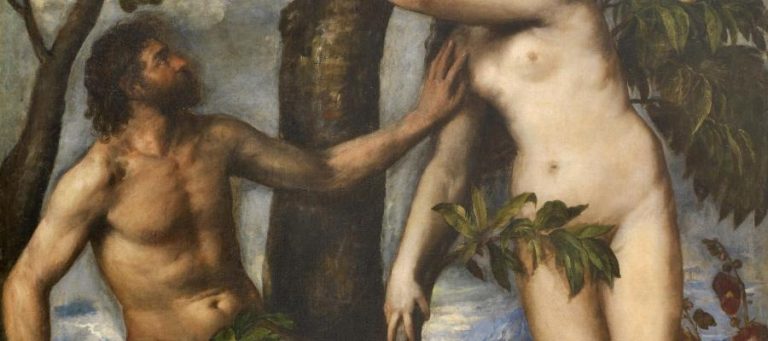
    This week, we’re discussing moral taint and collective responsibility. We’re asking the question, “Can we be tainted by the sins of our Fathers?” You might think that the answer is that we certainly can. Adam and Eve ate that darned apple and tainted all humankind with Original Sin. Now I know that that’s the biblical theory… but, frankly, I don’t get it. I have never gotten it. They ate the apple. Not us. Why would a loving God hold us – their descendants – responsible for what they did? What kind of divine justice is that??

  • Anatomy of a Terrorist

    This week we’re looking at the Anatomy of a Terrorist. But how exactly do you…

  • The Problem of Other Minds

    The philosophical problem of other minds goes like this. I know that I have a mind, that is, feelings, sensations, thoughts and the like, in a very direct way. I am directly aware of what goes on in my own mind. But how do I know that something like this goes on in other people?

  • The Reality of Time

    Nothing seems more basic or real than time. Yet many philosophers, like Zeno of Elea, find it deeply puzzling. Some, like McTaggart, even claim time is unreal. Of course, philosophers often find reasons to doubt the existence of things we take for granted. But with time, it’s not just philosophers. It’s physicists, too. Like Stephen Hawking, to name just one.