
Social Networking
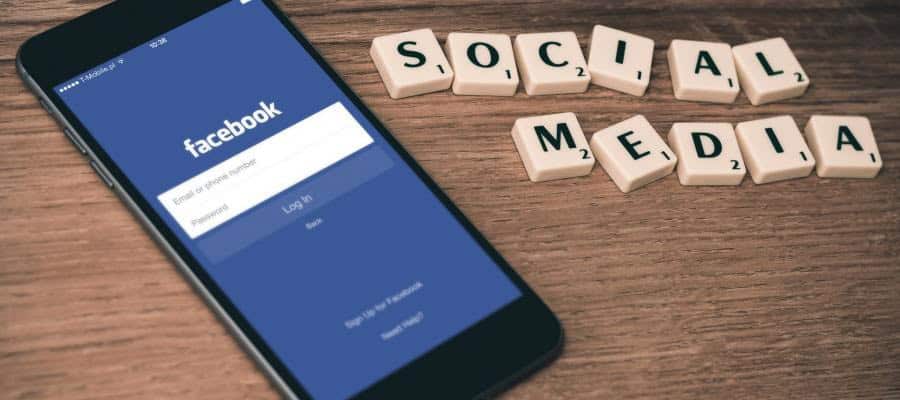
The basic idea is that the internet changes the shape of friendship. People with common interests, but little chance of seeing each other, can become good friends. The sorts of high-bandwdith communications, that used to be possible only with people close by, can now be conducted with people all around the world. How can this not be a good thing? But what kind of friendships are these? I like to eat lunch, have a beer, shoot pool with my friends. You can’t do that on the internet.
I actually got a Facebook page at Ken’s urging so that I could be part of the Philosophy Talk Facebook Community. And while I’m glad that so many people like to follow the comings and goings of Philosophy Talk over facebook, for me personally, it’s a big pain. People I’ve never heard of, ask to be my friend. Once a month I log on and say yes to all requests so I won’t hurt anyone’s feelings. Aside from that I never use it. I mean do I want to know when you’re walking your dog, or see pictures of some party I didn’t go to? It’s a complete waste of time. With one exception. You can go through Facebook to play Scrabble with family and friends, which is kind of fun.
Ken inists, however, that although a lot of time is wasted on online social networks, there is great importance and potential to it. On this view, eventually, social networking is going to change the way we relate to each other in pretty far-reaching ways.
The basic idea is that the internet changes the shape of friendship. People with common interests, but little chance of seeing each other, can become good friends. The sorts of high-bandwidth communications, that used to be possible only with people close by, can now be conducted with people all around the world. How can this not be a good thing?
But what kind of friendships are these? I like to eat lunch, have a beer, shoot pool with my friends. You can’t do that on the internet.
But I’m probably mistaking my own limitations, for limitations on the possibilities of true friendship. Ever since the dawn of writing, there have been long-distance friendships. People have kept up and even started friendships via the mail and the telephone. The internet just extends this trajectory in the development of human relationships.
All human relations, insofar as they are mediated through the internet, are undergoing a revolution. Think about the way businesses relate to their customers, the way we conduct scholarship, the way groups of like-minded people dedicated to a cause organize themselves – these things are all being affected by this social revolution. I think it’s potentially a huge big deal. And I think we ought to pause to reflect philosophically on this huge big deal before it overwhelms us, not after, whether we are enthusiastic about the changes, or just think it is one more case, like guns, nuclear energy and hard drugs, of advances in technology leading to the deterioration of human life.
Photo by William Iven on Unsplash