Are we a white supremacist nation?
In a recent episode of Philosophy Talk, Ken, John, and their guest, Naomi Zack, considered…

In a recent episode of Philosophy Talk, Ken, John, and their guest, Naomi Zack, considered…

Modern science tells us there are no souls and nothing transcendent. There’s only dumb matter and energy, swirling aimlessly through the void. We humans are nothing but temporary arrangements of such matter – gone and forgotten in the blink of the cosmic eye! But what, then, is the point of it all? What, then, is the meaning of human life? That’s the question we’re grappling with today.

Before the imposing body of Justice Antonin Scalia was even cold, acrimonious partisan anticipation over…

Everybody knows that the US has a long and sorry history when it comes to racial injustice. It also has a long history of privileging the needs, concerns and narratives of white people over those of people of color. But how exactly are white privilege and racial injustice related? That’s our question for this week.
This week our topic is freedom and free markets. We want to explore the extent to which these two things are or perhaps are not mutually dependent on each other. You might think that the answer is obvious, that freedom and free markets necessarily go together hand in glove. Clearly, free markets would not be possible without a great deal individual freedom – particularly the freedom to make contracts.

Religion offers us a comforting and inspiring vision of human existence. In the Abrahamic religions, Judaism, Islam and Christianity, a just but loving and merciful God created the universe. He’s in charge. And he’s got a plan — not just for the universe as a whole, but for each of us. Seems like it would be nice to wake up in the morning as a part of all that.

What gives nations the right to control who can cross their borders? That’s the…

I just listened to the Philosophy Talk episode with Father Andrew Pinsent, Good, Evil, and…
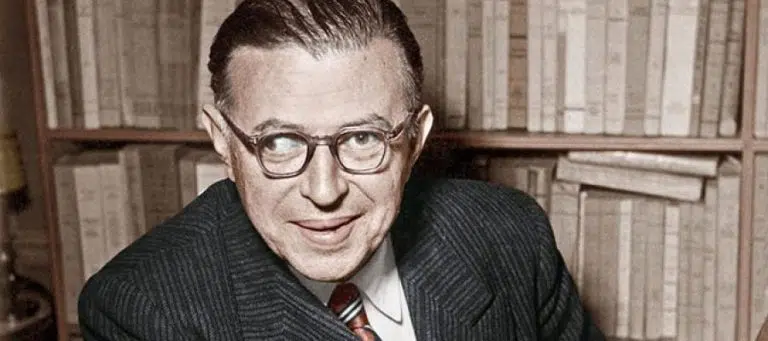
Jean-Paul Sartre was one of my favorites when I was an undergraduate. I enjoyed his novels and plays, and his great essay “Existentialism as Humanism. “ And I once even read a good bit of “Being and Nothingness,” his 700 page magnum opus. So what did Sartre mean by saying that we are radically free, and that we are condemned to be free? And what is existentialism?
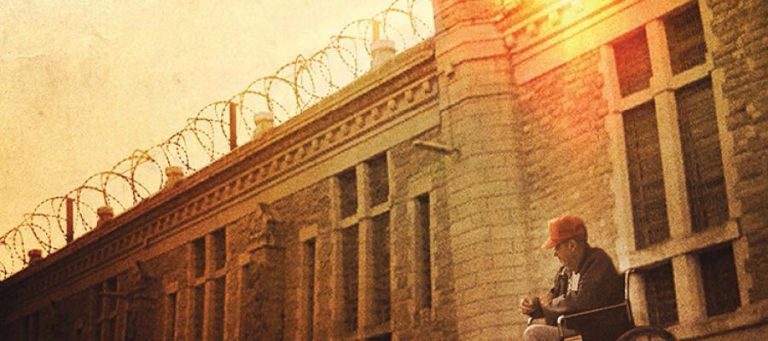
Because of some very harsh mandatory minimum sentencing laws, the U.S. incarcerates a huge number of people, many of whom are serving life without the possibility of parole. This country now has about one quarter of the world’s prison population, which is remarkable, if you consider that we’re not even 5% of the total world population. And our prison population is also rapidly aging, which means that it’s a population with more and more health issues.
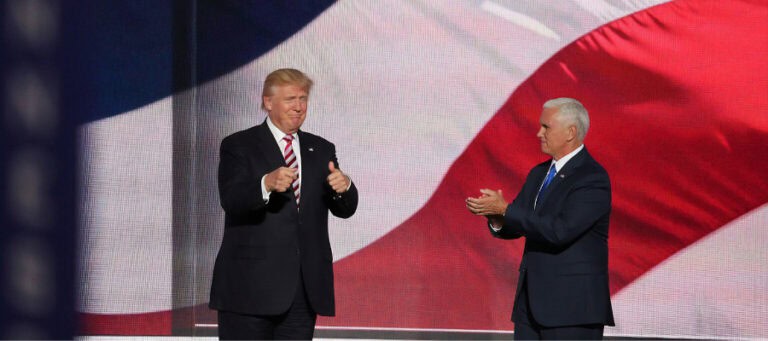
Perhaps the most remarkable (and, for many, alarming) political event in 2015 has been the…

Happy new year from your friendly neighborhood producer. With John and Ken taking a well-deserved…

Some people think Aristotle basically had it right when he said, “To say of what is that it is, and of what is not that it is not, is true”. I take it he meant that, for example, if I say this apple is red, what I say is true if this apple actually has the property of being red. If I say this apple is not red, what I say is true if this apple does not have the property of being red. What more is there to say?
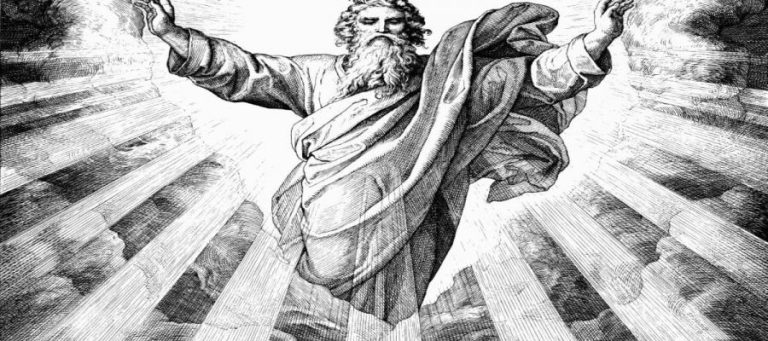
The question is: if God knows all, is all-powerful, and is benevolent, why did He create a world with suffering, evil and injustice in it? That’s what philosophers call “The Problem of Evil”. It is a problem for religions, like orthodox Christianity, that posit a perfect God. Such a God should be all-powerful or “omnipotent,” and all-knowing or “omniscient”. And he should be benevolent, since being mean and uncaring is an imperfection. But as the quote from Epicurus shows, the problem predates Christian philosophy and theology.

Sometimes people want a place where they’ll be free from identity-based insult. But sometimes people…

Lao-Tse, the founder of Taoism, said “Those who know do not speak, and those who speak do not know” So, by that criterion, I can say a something about Taoism, since I know very little.