Philosophers’ Corner

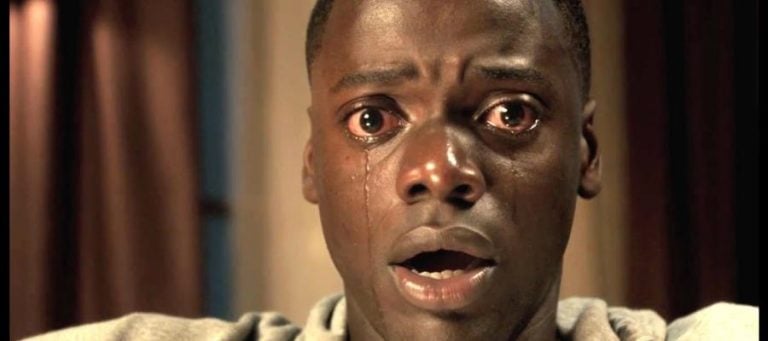
  • Cruelty in American Politics

    How should we respond to the suffering of those who vote against their own best interests? Is unadulterated cruelty a good political strategy? Or does a just social order depend upon our ability to empathize with all human beings?

  • Descartes, Elisabeth, and My Left Foot

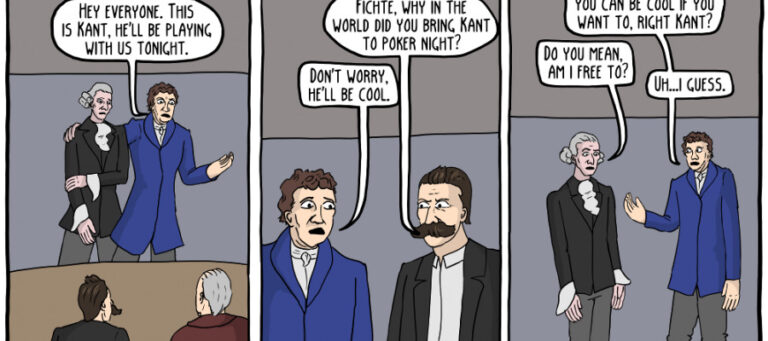
    If the mind and the body are two separate things, as substance dualists believe, then how are the two connected to one another? Part 2 of our blog series on the mind-body problem.

  • All We Need to Solve Inequality is a Plague

    Do we need a major catastrophe, like the bubonic plague or the small pox epidemic, in order to solve economic inequality? That’s what one author, historian Walter Scheidel, thinks.

  • Take the Mirror Test

    When YOU look at yourself in a mirror, WHO do you see there? The mirror test is a technique developed by psychologist Gordon Gallup Jr. as an attempt to determine whether a non-human animal possesses the ability of self-recognition.

  • Queer and Christian?

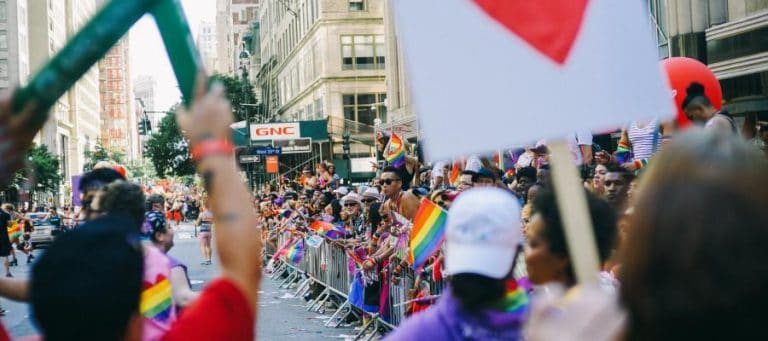
    Is it a contradiction to be gay and Christian? Is it possible to preserve a traditional religious identity, while maintaining a lifestyle and identity that—ostensibly—the religion’s canonical texts say is wrong? The answer depends on how we think about religious identities.

  • Knowing What We Know—And What We Don’t Know

    This week’s episode is the first in a new six-part series on the topic of Intellectual Humility. We tackle the big question, whether we can know what we know and what we don’t, since knowing what you do and don’t know is the first step to true intellectual humility.

  • [VIDEO] What is Neoliberalism?

    “Neoliberalism” is one of those terms tossed around by both those who know what they’re talking about and those who have absolutely no idea what they’re talking about. But like any other complex concept, the definition of neoliberalism is often in contestation.

  • Feel like Democracy is Crumbling? So Did Plato

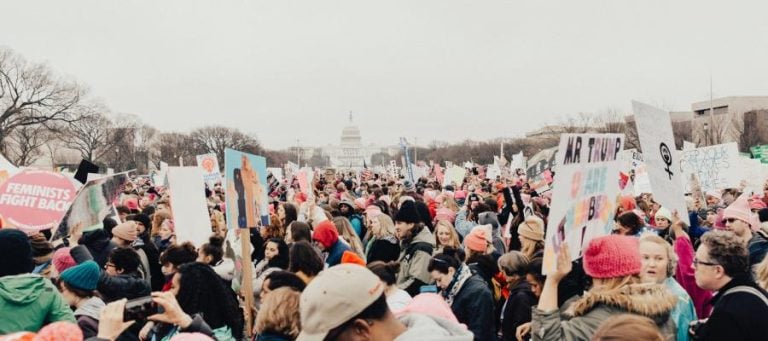
    What happens when a society, once a model for enlightened progress, threatens to backslide into intolerance and irrationality? How should that society’s stunned and disoriented members respond? Do they engage in kind, resist, withdraw, even depart?

  • [VIDEO] So You Think You Can Know?

    What does it mean to know something? How is knowing different from merely thinking of believing? Can we establish strict rules for what constitutes knowledge and what does not?

  • What are Crony Beliefs?

    Crony beliefs are beliefs you have partly because you want to believe them. But is it really possible to form beliefs because you want to have them? Does that explain why so many people seem to believe things that serve their self-interest? Or is there another explanation for that?

  • Do Philosophy For Its Own Sake, Not for a Job

    Should we encourage students to study philosophy because it turns out that it’s actually a great way to make money and have a lucrative career? Or in doing so are we losing sight of the value of a philosophical education? Isn’t philosophy essential for a democratic citizenry, for example?

  • Art and Obscenity

    The Supreme Court defines obscenity as any material which “appeals to a prurient interest in sex, portrays sexual conduct in a patently offensive way,” and which “does not have any serious literary, artistic, political, or scientific value.” But can’t some work be both obscene and also have “serious artistic value”?