Social Status
Ever thought social status could be understood through a philosophical lens? What do you think gives rise to social status? How do dominance, prestige, and admiration underpin it?


Ever thought social status could be understood through a philosophical lens? What do you think gives rise to social status? How do dominance, prestige, and admiration underpin it?

AI takeover—the hypothetical event wherein computers or robots take over the world and obliterate humankind—is a common trope in science fiction books and apocalyptic movies. But is superintelligent AI really something we should fear?

What explains the fact that women makeup only 25% of British philosophy departments? Note that the numbers aren’t so different for American universities. MIT philosopher Sally Haslanger reports that even “As recently as 2010, philosophy had a lower percentage of women doctorates than math, chemistry and economics.”
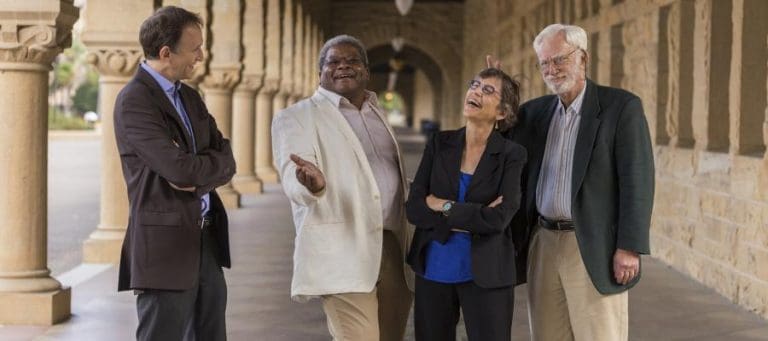
It’s time to make it official. After well over 400 episodes, 13 and half years on the air, and two years before that trying to get on the air, John has decided to transition into a new role on Philosophy Talk.
Happy 114th birthday to Theodor Adorno, the influential founder of the Frankfurt School. His writings on culture, capitalism, and fascism are as timely as when they were written.
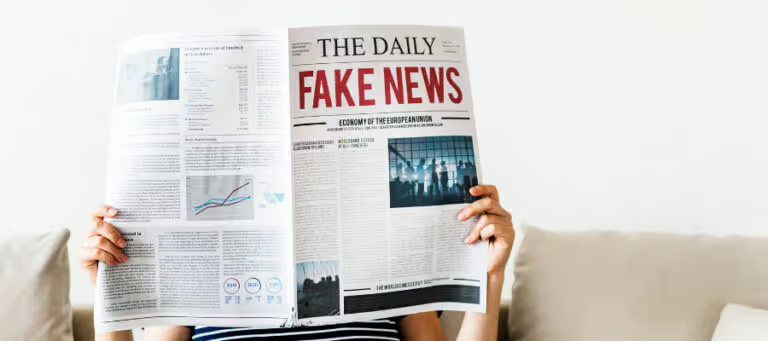
This is a pretty terrible time to be a fan of truth. Politicians have always lied, of course, but few have dared to deny the verifiably obvious, such as the size of an inauguration crowd. Few have perpetuated conspiracy theories, such as the one about Obama’s place of birth.
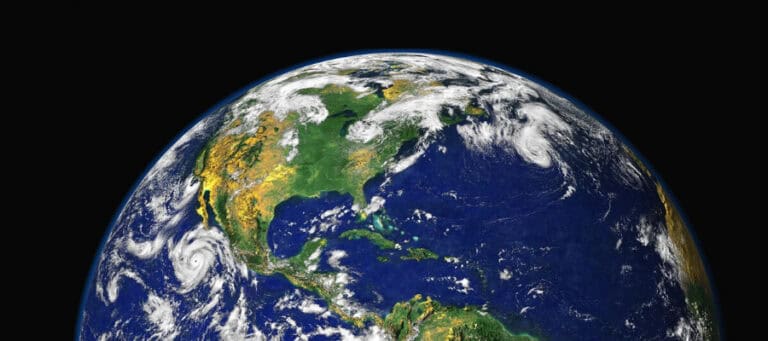
Thousands of posters, books, videos, and social media exhort us to take four minute showers, eat vegan, carpool, and recycle in order to slow global warming and save Planet Earth, and yet, we have to ask, do these individual efforts really amount to much?

What are the norms governing credibility assessments? How do we judge whether someone is telling the truth or not? What kind of good is credibility? What is it to get the credibility you deserve? How does gender affect perceptions of credibility?

Do bosses operate like mini-monarchs of the workplace? In what ways does your boss have arbitrary, excessive power over your life? Why do we demand democracy in the political sphere, and yet give it up so quickly in the economic?
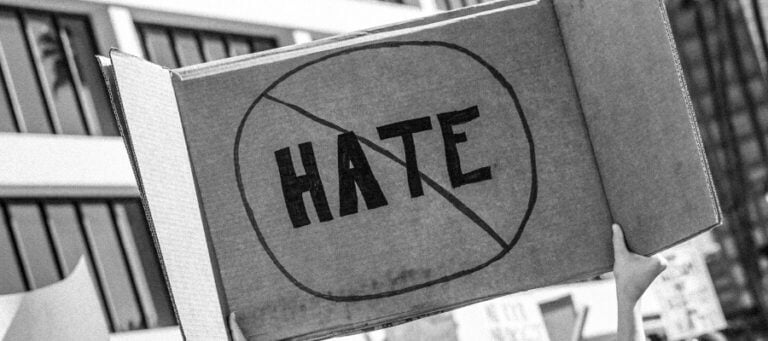
The idea of fighting against hate has had a lot of traction in the public sphere. But conceptualizing our current political situation as a fight against hate paints a distorted picture of what we’re up against and underestimates the ideological wellsprings of right-wing extremism.
Business magnate Elon Musk believes that it is highly probable that we are living in a simulated reality. With recent and rapid progress in photorealistic, 3D simulations, Musk maintains that the ability for humans to realistically simulate reality is not so far off. In fact, we might already be living in a simulation.
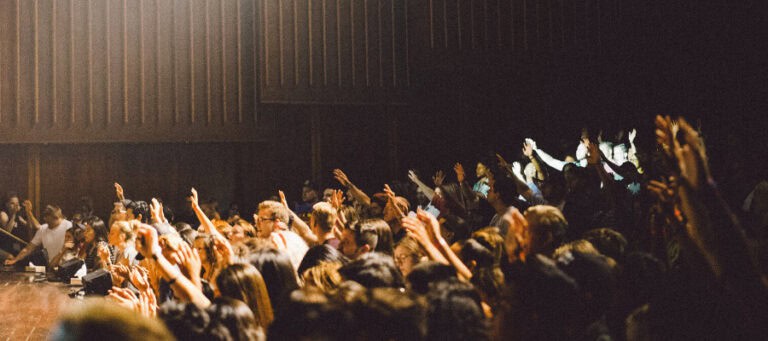
We can trace our fundamental forces back to microseconds after the Big Bang. If we can trace them back this far, wouldn’t the only way to change the fundamental laws of the universe be to recreate the conditions of the Big Bang? -Zach in Arkansas

What is it like to be in love with more than one person at a time? Is monogamy natural or an outmoded cultural artifact? Although lifelong fidelity to a single partner remains a cultural ideal, few people live up to it.

In a recent interview in What is It Like to be a Philosopher, Tina Fernandes Botts answered the age-old question of whether analytic and continental philosophy are really all that different in the final analysis. Although Botts tries to bridge the “divide,” she somehow manages to duplicate the very same debilitating stereotypes of these two fields at the same time.

Do you have to be courageous to be creative? Or is it better to give the public what it wants? What are the character traits that make somebody exceptionally creative? What exactly are we picking out when we praise an individual for her creativity. Is it eccentricity? novelty? originality?
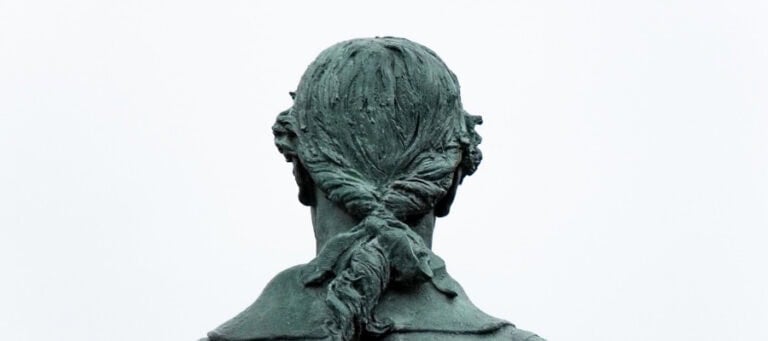
Many public monuments in the United States depict people who have done hideously immoral things. Almost all depict morally imperfect people. If we accept that some statues should be left in place and some should be torn down, what principles determine which should be torn down?