Philosophers’ Corner

  • The Curious Lives of Octopuses

    Octopuses live in a world of paradox. Though colorblind, they change their pigment to match their surrounding area. Though brilliant, they average a lifespan of only 2 to 4 years. Other Minds: The Octopus, The Sea, and The Deep Origins of Consciousness, by Peter Godfrey-Smith, attempts to resolve these paradoxes.

  • When Democracy Runs Wild

    Do we have too much democratic politics in this country? What are the consequences of living in a society in which your every action has a political connotation? Philosopher Robert Talisse argues that there is such a thing as too much democracy.

  • Basketball: Myths and Puzzles

    Basketball fans have long held that players experience runs of success or failure. If a player succeeds at sinking a free throw, the theory goes, they’re having a successful streak, which makes them more likely to sink the next free throw. Simpson’s Paradox might explain why the “hot hand” phenomenon looks real, even if it’s not.

  • Achieving a Measure of Insanity

    British psychoanalyst Donald Woods Winnicott wrote in a review of Carl Jung’s memoir Memories, Dreams, and Reflections: “I was sane, and…through analysis and self-analysis I achieved some measure of insanity.” How do we make sense of this strange claim?

  • Philosophy of Trash

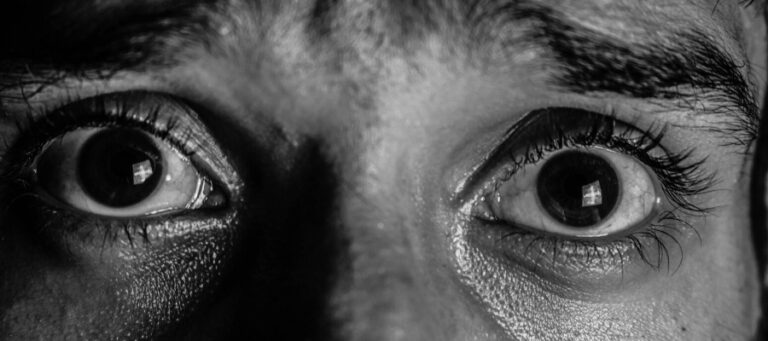
    How much of today’s treasure is destined to be tomorrow’s trash? Are growing piles of trash the price we pay for progress? Or do our trashy habits amount to ecological terrorism? These are the questions we’re thinking about in this week’s show.

  • Compromise and Slavery

    John Kelly, President Trump’s Chief of Staff, recently made some comments about the supposed unwillingness of the North and South to compromise over slavery as a leading cause of the Civil War. But Kelly actually has it completely backwards.

  • Philosophy and Shelley’s Frankenstein

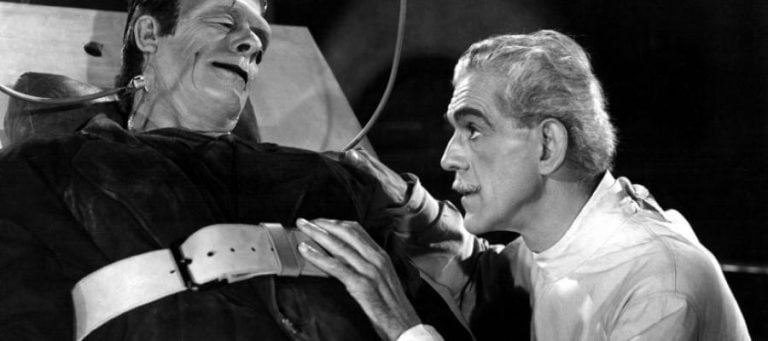
    With its 200th anniversary fast approaching, it might be time to revisit Mary Shelley’s Frankenstein. Check out this audio clip from the Philosopher’s Zone, in which the hosts discuss major themes and the predominant philosophies of the novel’s day.

  • Why Race Matters

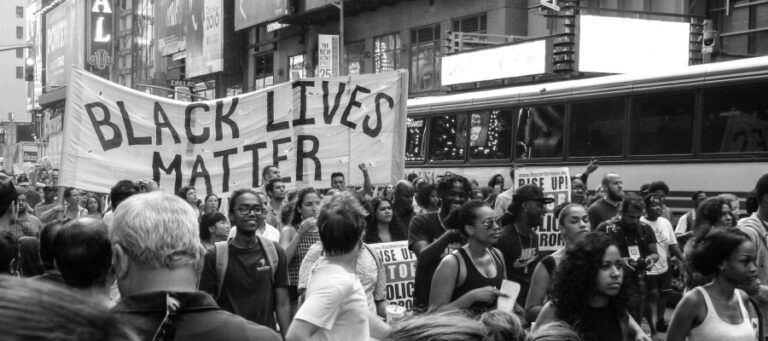
    Do black lives really matter in America? Indeed, have they ever mattered, in our sordid racial history? And what, if anything, can we do to make sure that black lives matter today? These are just some of the questions we address on this week’s episode that we are calling “Race Matters.”

  • To Retract or Not to Retract

    Third World Quarterly, a journal that boasts Noam Chomsky on its editorial board, recently published, then withdrew, “The Case for Colonialism,” by Bruce Gilley when death threats were made against the journal’s editors. But was the journal right to retract the piece?

  • Chomsky vs Foucault [VIDEO]

    Watch this classic, must-see debate between two of the most prominent intellectuals of the 20th century: Noam Chomsky and Michel Foucault. The hour-long debate traverses a broad intellectual course—from human nature and objective truth to Marxism and the value of justice.

  • A Moral Case for Meat

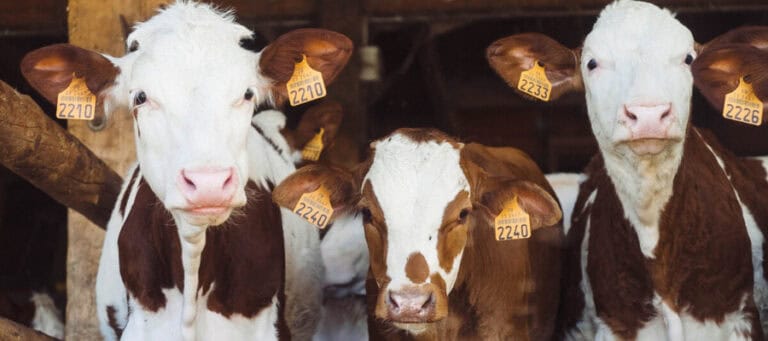
    From Peter Singer’s Animal Liberation to arguments offered by the ancient Greeks and Hindus, many philosophers and environmentalists have made convincing cases against the practice of eating meat. But could there be a moral case in favor of it?

  • #FrancisOnFilm: Battle of the Sexes

    From the ancient Greeks, philosophical writing about sport has been rooted in theories of virtue and the good. Discussions in this genre regard sport as a form of human excellence. On versions of this view, excluding or marginalizing women in sports is shutting them out from opportunities for excellence.

  • Decolonizing Philosophy

    It’s clear that many of the prevailing intellectual traditions throughout the world are disproportionately influenced by Western (European, Christian, white) ideas. So how can we take up the project of decolonizing philosophy?

  • Privacy and the Internet of Things

    What will life be like when every road you travel, every device you own, every building you enter is connected to the internet? Will these developments transform our world in ways that enrich our lives? Or will they just create more opportunities for hackers, corporations, and governments to pry into every aspect of our lives?

  • Harmful Jobs, Net Impact

    Scott Pruit offers you a job at the EPA. His agenda is to roll back regulations that help protect the environment. So what should you do? Take the job and try to change the EPA from the inside? Or would it be more productive to work for an environmental agency whose efforts you support?

  • Frege: The Invisible Anti-Semite

    It is a little known fact that the German philosopher was a hard-core right-wing, anti-democrat, anti-liberal, racist, nationalist anti-Semite. While he died before the rise of Hitler, one can only speculate how he would’ve responded.