Philosophers’ Corner

  • What’s In a Picture?

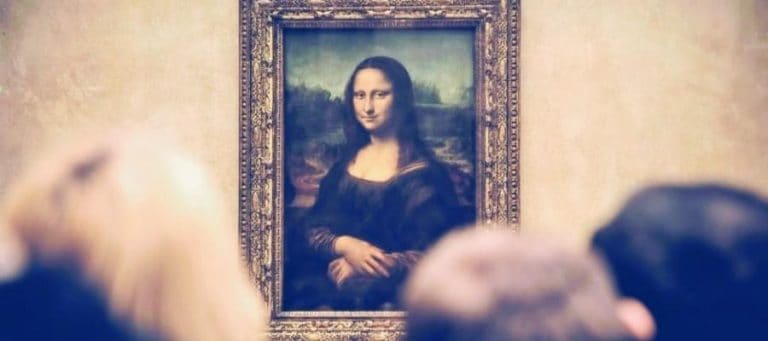
    Pictures are so ubiquitous they often fade into the background of conscious experience. But there’s a special magic to pictures. When you see one, you don’t only see some colors on a surface, some marks jumbled together here and there; you see things—maybe bottles, people, or books—in the picture.

  • Changing Deniers’ Minds

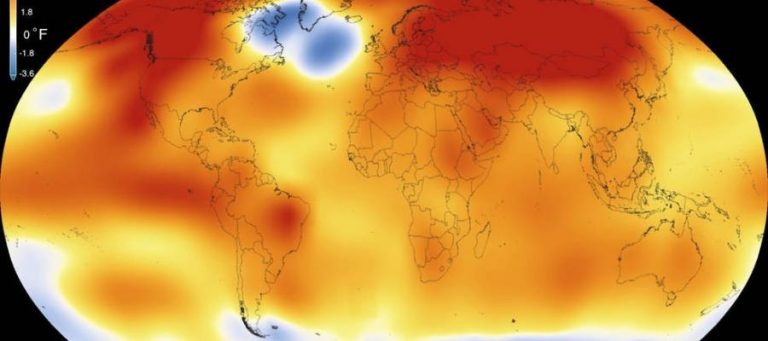
    How do we change the minds of climate deniers? Could learning about the science of global warming ever persuade a skeptic? Or are humans just too irrational to be persuaded by facts and evidence? These are some of the questions we’re asking in this week’s show.

  • Against Introspection

    It’s tempting to imagine that self-knowledge is easy to come by. All you have to do is introspect. The idea is that the mind is kind of like a clear glass fishbowl. If you want to know what’s going on, all you’ve got to do is take a look. But there are problems with this idea.

  • A Puzzle About Sacred Values Part I

    Classic theories of choice posit that our preferences are transitive. So, for example, if you prefer the apple to the orange and the orange to the banana, then you’ll also prefer the apple to the banana. Now one interesting question in psychology is the extent to which human preferences are actually transitive.

  • #FrancisOnFilm: Once Upon a Time…

    Quentin Tarantino’s new film, Once Upon a Time… in Hollywood, retells the story of the murders committed by members of the Manson “family.” In the film, one of the cult killers says to her victims: “You taught me to kill. Shouldn’t I kill you?” This question is pointedly directed to members of the audience too.

  • How Do Decisions Ever Get Made?

    Sometimes you will be faced with choices that are hard because of the great number of options there are, the difficulty of comparing them, or limitations on your information. They’re extra painful when stakes are high. It’s pretty amazing that such difficult decisions get made at all.

  • Should We Abandon the Canon?

    Should we still be venerating works by Plato, Shakespeare, Woolf, and company as “great books”? Should we still be reading them at all? Or should we simply abandon the “Western canon”? These are the questions we’re asking in this week’s show.

  • Self Knowledge on Trial

    Most people seem think that knowing themselves is a good idea, or at least say that that’s what they think. “Know thyself,” is uttered reverently—as though it’s self-evidently a wonderful goal. I’m going to put self-knowledge on trial, and I’ll say up front that the case for the defence looks pretty thin.

  • The Doomsday Doctrine

    Why worry about a nuclear doomsday how? The Cold War is over. At its height we had thirty thousand warheads pointed at the Soviets, they had forty thousand pointed at us—but we’re each down to a fraction of that. A climate doomsday seems much more likely.

  • A Simple Test for Fake News

    In 1729, Jonathan Swift published his satirical essay, “A Modest Proposal,” which offered selling babies for food as the simple solution to Irish poverty. But what if Swift had published a piece presented with the appearance of a legitimate news source, instead of clear satire? Would there be an easy way to tell it was fake news?

  • #FrancisOnFilm: Last Black Man in SF

    The Last Black Man in San Francisco was my favorite film at Sundance this year. It explores critical questions about whether respect for persons requires addressing erosion of the conditions on which identity claims rest—erosion that so clearly has been and is continuing to occur for some communities in San Francisco.

  • Postmodernism: The Decline of Truth

    Is postmodernism to blame for the rise of the post-truth era? At first glance that seems very hard to believe. When we see Kellyanne Conway talking about “alternative facts” or Rudy Giuliani saying “truth isn’t truth,” we don’t immediately assume they’ve been busy reading Jacques Derrida.

  • How to Think Two Thoughts at Once

    We tend to think that you can only have one thought at a time. You can switch between different kinds of thoughts quite quickly, or you can think many thoughts one after the other, but you can’t think more than one thought at the same time. That’s a mistake. There’s a way to think two thoughts at once.

  • JS Mill and the Good Life

    This week, we’re thinking about J.S. Mill and the good life. While Mill valued individual choice and freedom, he was also a utilitarian who believed you should always do what produces the greatest happiness for the greatest number. Can these strands of Mill’s thought be reconciled?

  • Does Thinking Help Stop Fake News?

    What makes people susceptible to fake news? Does reasoning tend to lead to less bias or more distorted beliefs? In other words, are people who are reflective more or less likely to be suckers for fake news? This question has resulted in a wide-ranging debate with two camps.

  • Reader’s Block and Bad Philosophy

    “Reader’s block” might refer to anxiety about reading some intimidating book; reluctance to read at all; or that special frustrating phenomenon where you drag your eyes over the lines of a page without taking anything in. Sometimes it’s the result of a philosophical mistake about reading.