Author: Laura Maguire

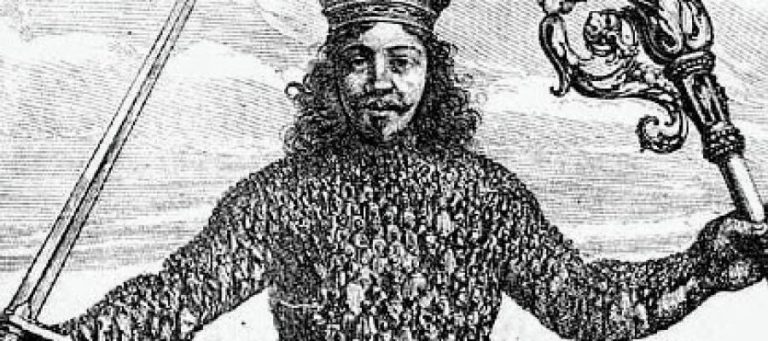
  • Hobbes and the Absolute State

    Shouldn’t citizens have a say in how they are governed? Or is that just a recipe for extremism, division, and war? Do we need a ruler with absolute power to maintain peace? This week we’re thinking about Thomas Hobbes and his views about citizenship and the state.
  • Changing Deniers’ Minds

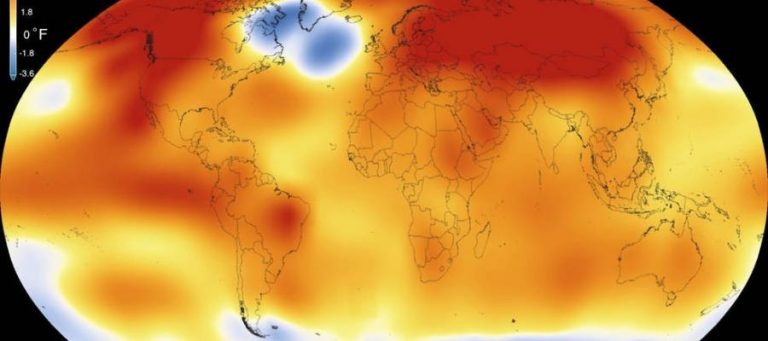
    How do we change the minds of climate deniers? Could learning about the science of global warming ever persuade a skeptic? Or are humans just too irrational to be persuaded by facts and evidence? These are some of the questions we’re asking in this week’s show.

  • Hacking Our Sense Perceptions

    Are humans limited to the senses we’re born with? Or is it possible to hack the brain and create new senses? Even if we could, would we want more senses than we already have? This week we’re thinking about hacking the brain: perception beyond the five senses.

  • Your Question: Integrate or Assimilate?

    What does integration mean, and how is that contrasted to assimilation? How much integration do we have a right to expect? What kinds of changes become intolerable? – Judy online

  • Why Should We Give Foreign Aid?

    Do we have a duty to help developing nations escape poverty? Or does foreign aid do more harm than good? What is the best way to end global poverty? These are some of the questions we’ll be in asking in this week’s show on foreign aid.

  • The Creative Life

    Is creativity something you’re born with, or can it be cultivated? Living a live of creativity sounds fantastic – but is it (possible) for everyone? If you think it would be wonderful to be more creative, you could try to do something about it, like take a creative writing class or something. But it’s probably not that easy.

  • The Psychology of Cruelty

    Are people cruel because they lack empathy? Is cruelty always a matter of seeing others as less than human? Or are there some who simply enjoy seeing people suffer? These are some of the questions we’ll be tackling in this week’s show.

  • Should Robots Be Caregivers?

    Is it ethical for robots to be caregivers? That’s the question asked by the winner of Ireland’s “Young Philosopher of the Year” award. The inspiration for his project came when his ailing grandfather fell in the middle of the night and was unable to reach the help button in his assisted living facility. He was found dead a day later.

  • Trolling, Bullying, and Flame Wars

    Are trolling, bullying, and flame wars an inevitable result of online communication? Does the anonymity and invisibility of cyberspace lead to toxic speech and behavior? How can we create more toxic-free environments online?

  • Baldwin and Racial Justice

    James Baldwin, essayist, novelist, playwright, and searing social critic, has been enjoying a resurgence of interest recently. There is no doubt that Baldwin’s thinking is just as relevant today as it was in the mid twentieth century. Sadly, there is so much that has not yet changed.

  • Your Comment: A World Without Work

    We’re continuing to get some great responses to our recent show, A World Without Work, including this email from Paul R. If you have questions or comments on a show, feel free to send us an email and we might just feature it here on the blog.

  • Your Question: A World Without Work

    We had a great response from listeners to our recent show, A World Without Work. Katherine B had a number of fantastic questions, so I asked our guest, Juliana Bidadanure, as well as our hosts, Debra and Ken, to respond to their favorite one.

  • Automation and the Future of Work

    Will technology eventually eliminate the need for human labor? Without work, will we finally have all the free time we want to pursue our hobbies and passions? Or do we need work to give our lives a sense of purpose and achievement?

  • Your Question: Changing Physical Laws

    We can trace our fundamental forces back to microseconds after the Big Bang. If we can trace them back this far, wouldn’t the only way to change the fundamental laws of the universe be to recreate the conditions of the Big Bang? -Zach in Arkansas

  • Your Question: Habermas and Factions

    Does Habermas believe that factions are good because of the authenticity of their rationally discursive sources but bad because real discourse is limited by interfactional communication prohibition? -John in Berkeley

  • Racial Profiling and Implicit Bias

    We might agree that the practice of racial profiling—police or security targeting individuals for investigation because of their race, ethnicity, or national origin—is wrong. But the question is, exactly why is it wrong?