Author: Antonia Peacocke

  • How Do Decisions Ever Get Made?

    Sometimes you will be faced with choices that are hard because of the great number of options there are, the difficulty of comparing them, or limitations on your information. They’re extra painful when stakes are high. It’s pretty amazing that such difficult decisions get made at all.

  • How to Think Two Thoughts at Once

    We tend to think that you can only have one thought at a time. You can switch between different kinds of thoughts quite quickly, or you can think many thoughts one after the other, but you can’t think more than one thought at the same time. That’s a mistake. There’s a way to think two thoughts at once.

  • Reader’s Block and Bad Philosophy

    “Reader’s block” might refer to anxiety about reading some intimidating book; reluctance to read at all; or that special frustrating phenomenon where you drag your eyes over the lines of a page without taking anything in. Sometimes it’s the result of a philosophical mistake about reading.

  • What Is Reading?

    Reading. We all do it, every day, whether it be reading books, text messages, street signs, or cereal boxes. But what is reading? This is an important question, but there is a surprising lack of research in analytic philosophy on this topic. How hard can it be to say what reading is?

  • Wanting to Want for Its Own Sake

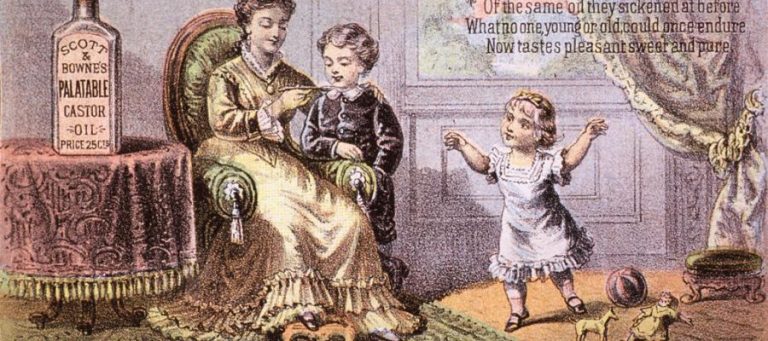
    Here is one of the most surprising findings from social psychology: rewarding a kind of action does not boost motivation to perform that action because rewards provide only extrinsic motivation. So how do we change extrinsic motivation to intrinsic motivation, the motivation you have to do something for its own sake?

  • There’s Taste… Then There’s Taste

    Lots of us have tastes in music, movies, stories, or art—and we generally know what they are. But what explains why we like what we do? Is it just a subjective reaction to something we recognize or identify with? Or are we responding to its objective aesthetic value?

  • Finding Yourself in a Virtual Fiction

    Last week I went to the Night of Philosophy and Ideas at the Brooklyn Public Library. One of the experiences on offer was a short CGI virtual-reality film called BattleScar. What is most compelling about BattleScar is the way it plays with your perspective. You are, as a viewer, implicated in the same physical space as the characters in the film.

  • How (Not) to Fall Asleep

    Why can falling asleep be so difficult? I’m not looking for a third-personal story of the causal factors that adversely affect sleep. I’m asking a slightly different question: what explains that truly infuriating first-personal experience of trying desperately and yet failing miserably to fall asleep?

  • Subway Spreading and Personal Space (Part II)

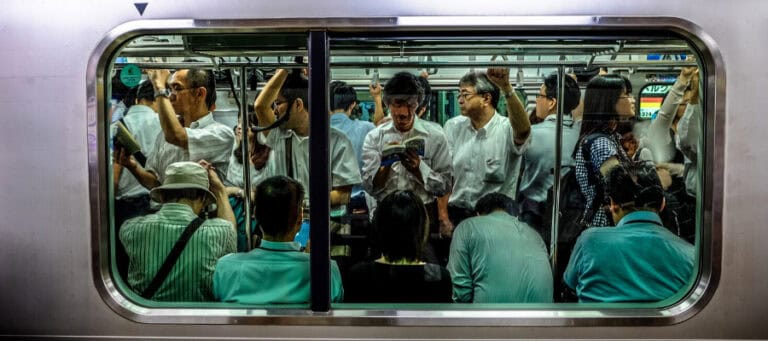
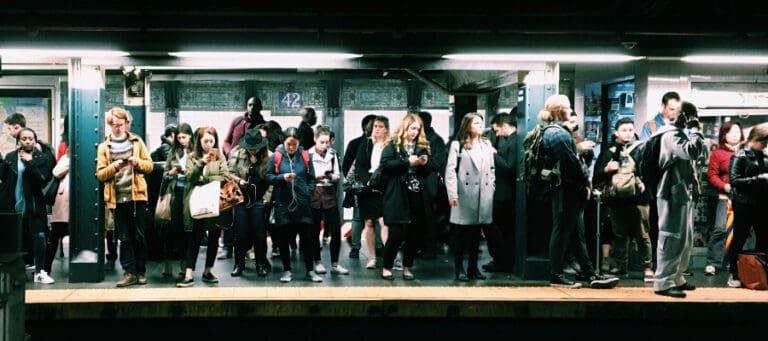
    Last month, I provided a story of (man)spreading on the subway. It’s is a simple story about two people on a crowded train with different ‘preferences’ for personal space. But it leads us to a new understanding of the ways that even everyday gestures can trigger structural and systematic inequities.

  • Subway Spreading and Personal Space (Part I)

    The phenomenon of taking up too much room on the subway has gotten a lot of attention in the last few years under the label “manspreading.” But why does this spreading happen? And what does it have to do with men in particular? The answer starts with preferences for personal space.