
The Odyssey in Plain English
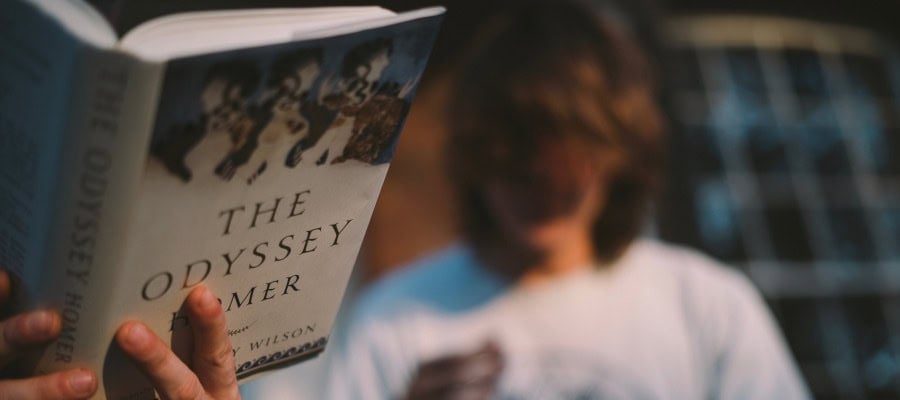
The first woman to translate The Odyssey, Emily Wilson, tells the famous story of Odysseus, Homer’s cunning Trojan war hero, in a radically different way. She tells it in plain English. Wilson’s translation is direct, and her effort raises important questions around the translation of classical works.
The first woman to translate The Odyssey, Emily Wilson, tells the famous story of Odysseus, Homer’s cunning Trojan war hero, in a radically different way. She tells it in plain English.
Starting the epic with “Tell me about a complicated man,” Wilson departs from stilted translations of the original Greek. She replaces Robert Fagles’s translation (“whores”) for “dmoai,” the female slaves whom Odysseus slaughters at his homecoming, with the more accurate translation “girls.”
Wilson’s translation is direct, and her effort raises important questions around the translation of classical works. What should we expect from those who translate ancient texts? And what historical, ethical or social issues does Wilson’s translation highlight that other esteemed translations have ignored?
Read the article to learn more about Wilson and the reasons driving some of her choices in translation here:
https://www.nytimes.com/2017/11/02/magazine/the-first-woman-to-translate-the-odyssey-into-english.html?smid=fb-share&_r=2
Listen to the Episode
No related shows found.