THE BLOG @ PHILOSOPHERS' CORNER
THE BLOG @ PHILOSOPHERS' CORNER
The Value of Metaphor in a Pandemic
20
Jul 2020
Metaphors are some of the greatest tools of human expression. They can have great emotional power and can unite us in how we conceptualize the world. But we don’t yet have the rich and transformative ways of thinking about the global pandemic that a good metaphor could provide.
Read moreBenjamin and Modern Enchantment
14
Jul 2020

Has the modern world become disenchanted? Is there a way to find the magic again? In this week's show, we're discussing Walter Benjamin, the German-Jewish cultural critic from the early 20th century, who had fascinating things to say about this.
Read moreThe Ethics of Pet Keeping
27
Jun 2020

Do we really have the right to own our fellow creatures? Are there some animals that should never be kept as pets? Is it okay to declaw a cat, clip a bird’s wings, or dock a dog's tail? These are some of the questions we're asking on this week's show.
Read moreCelebrating Our 500th Episode
22
Jun 2020

Philosophy Talk just celebrated our 500th episode. Quite an accomplishment from the point of view of the 1st episode. Let me reminisce for a bit, going back in time to when I first had the idea for the program, getting Ken Taylor on board, creating a pilot episode, and finally getting broadcast in 2004.
Read moreNaïve Racism
17
Jun 2020

Social psychology has shown that people tend to generalize on incidents of good behavior for their in-group, but generalize on bad behavior for members of out-groups. This tendency leads to a form of racism I call "naïve" because the racist person has no idea that their minds are operating this way.
Read moreCovid and the Veil of Ignorance
12
Jun 2020

As I’ve struggled to find a film to write about, I thought I’d write about a feature of Covid that is particularly philosophically relevant: you can be infected but be asymptomatic. So you must make decisions under uncertainty, not knowing whether you are sick or contagious—victim or vector.
Read moreYour Racist Mental Habits
10
Jun 2020
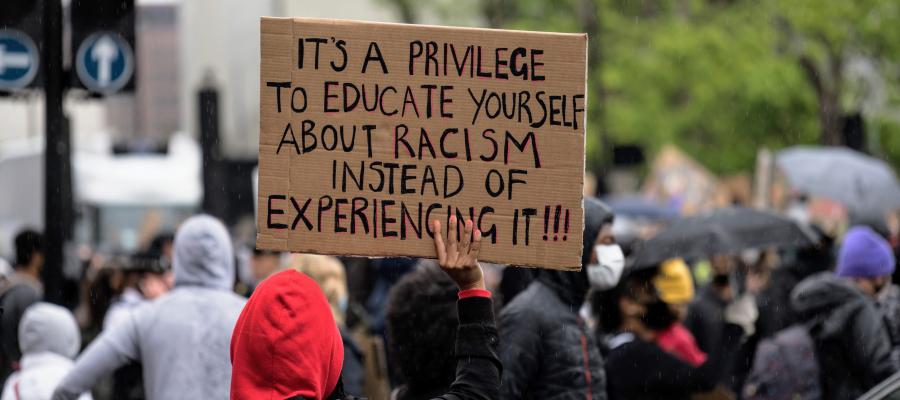
A flurry of studies have shown that even self-avowed non-racists can still be implicitly biased against black people. There is not much agreement about how to think about the nature of this ‘implicit’ phenomenon, but one possibility is that our racist biases are best understood as a perceptual habit.
Read moreDemonizing Black Men
02
Jun 2020
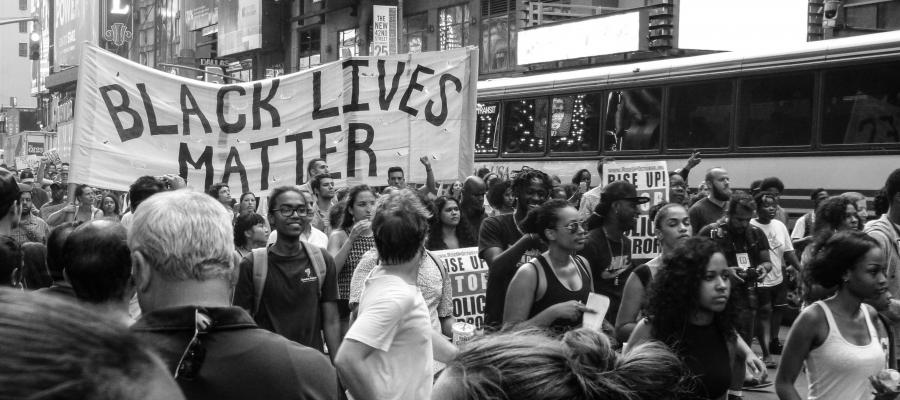
Many of us watched in horror as a Minnesota policeman casually kneeled on George Floyd’s neck until he lay limp and lifeless on the pavement. This is a manifestation of what I call demonizing dehumanization. Almost always, it is men from racially oppressed groups who are dehumanized in this way.
Read moreListener Covidundrums
28
May 2020

Are there particular moral dilemmas and conundrums the coronavirus pandemic and its effects have raised for you? Have you struggled to find an ethical way to balance your own needs and the needs of others? In this week’s show we’re discussing listeners’ real life covidundrums.
Read morePuzzle 3: Kant on Lying to Robots
22
May 2020

Many of you know by now that I’ve committed to presenting philosophical puzzles for the duration of the Corona crisis. This month's puzzle is somewhat sci-fi in nature, but not totally farfetched, as we’ll see. The motivating question is this: What should Kant say about lying to robots?
Read moreCan Philosophy Help in a Crisis?
20
May 2020
We are months into a global crisis that has claimed at least 300,000 lives around the world and left many others feeling isolated and alone. Can the arts and humanities help us find comfort, connection, and a sense of common purpose in these difficult times? In particular, can philosophy?
Read moreNarrative Burnout
15
May 2020
When I’ve felt depressed or isolated in the past, fiction has been a source of escape and catharsis. But during this lockdown, I've been struggling with stories. I've been streaming less television, reading fewer novels, and watching fewer movies than ever before. I've got a case of "narrative burnout."
Read moreA Pandemic of Dreams
06
May 2020

Covid has not only infected our waking lives, it has seeped into our sleeping lives as well. Researchers report that there has been an apparent increase in vivid, powerful and disturbing dreams. This heightened awareness provides a wonderful opportunity to fulfill the ancient injunction to “Know thyself!”
Read moreMore Money Matters
04
May 2020

We got another listener question, this time from Alicia in Berkley whose question is for Graham Hubbs, the guest on our recent episode, "(Why) Money Matters." Alicia asks about the government's ability to print money and its value and Graham answers.
Read more#FrancisOnFilm: Crip Camp
30
Apr 2020
Are you eager for quarantine to be over but apprehensive about what the future might bring? For a dose of optimism, reflections on freedom, and a very good film, check out Crip Camp: a Disability Revolution. I was lucky to see it at this year's Sundance Film Festival, where it won the Audience Award.
Read moreMoney Matters
27
Apr 2020

Is money the root of all evil, or is it just a technology that makes our lives more efficient? Should some things not be for sale? This week on Philosophy Talk, we’ll be discussing money: where it comes from, what it is now, and what it could become in the future.
Read moreProust and Social Distance
22
Apr 2020

Marcel Proust once wrote about a hypothetical sufferer of “spiritual depression” who has no physical incapacity but lacks the will to act. If you've been walled up at home for weeks, you might suffer from this type of mental languor. A good book may be the jolt you need to spur you into new and creative thoughts.
Read morePuzzle 2: What is an Identity?
16
Apr 2020

Continuing my series of puzzles to distract you from the current crisis, this month I'm asking: What is an identity? I mean the kind of identity that makes you a member of a certain social group (call these collective identities, social identities, or group identities), though that’s a rough characterization.
Read morePhilosophy and the Superhero
11
Apr 2020
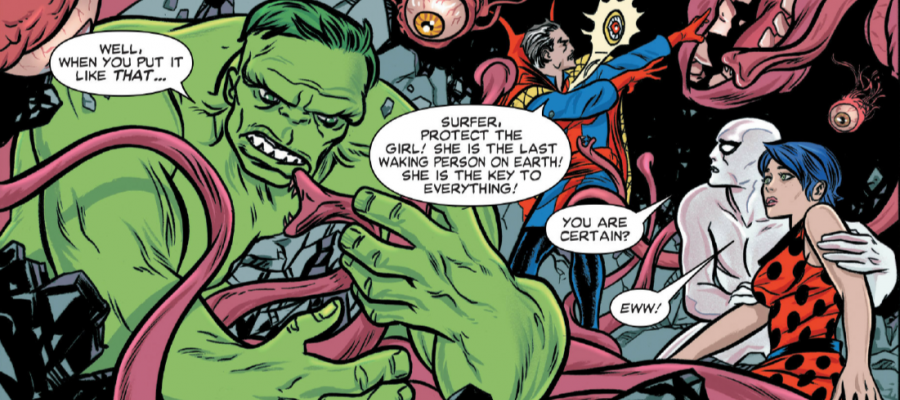
Can comic books reveal deep truths about human nature? What can Marvel’s Miracleman teach us about metaphysics? Should we be learning about ethics from Batman and Superman? On this week’s show, we’ll be talking with Nathaniel Goldberg about what philosophers can learn from superhero comics.
Read moreTrying to Let Go of the Past
09
Apr 2020

How many times have you heard people advise others to let go of the past? Once you see that these painful, traumatic experiences are over and done, you supposedly achieve “closure” and can “get on with your life.” But trying to let go of past experiences is not really something you can achieve.
Read moreThinking and Mental Action
02
Apr 2020
Sometimes your mind wanders, and sometimes your thoughts focus on a specific topic. When your mind wanders, you're not really doing much, but when you focus, you're engaged in a specific mental action; you control what you're thinking about. So what is this mental control?
Read moreGame Theory and COVIDiocy
27
Mar 2020

It's time for a listener question! Susan L. wrote to us with a very interesting question about game theory and COVID-19. She wanted to know if we could discover a pattern in the president's behavior and use game theory to disrupt that pattern and save lives. I put together some responses to Susan's question.
Read morePuzzle 1: Are Beliefs Voluntary?
23
Mar 2020

Need a distraction from the incessant stream of information and speculation about the Coronavirus? I certainly do. So for my next few blogs, I’m going to describe philosophical puzzles that are either old or new. I won’t help solve them until the next blog, at which point I’ll post links to various solutions. Enjoy!
Read moreViral Xenophobia
16
Mar 2020
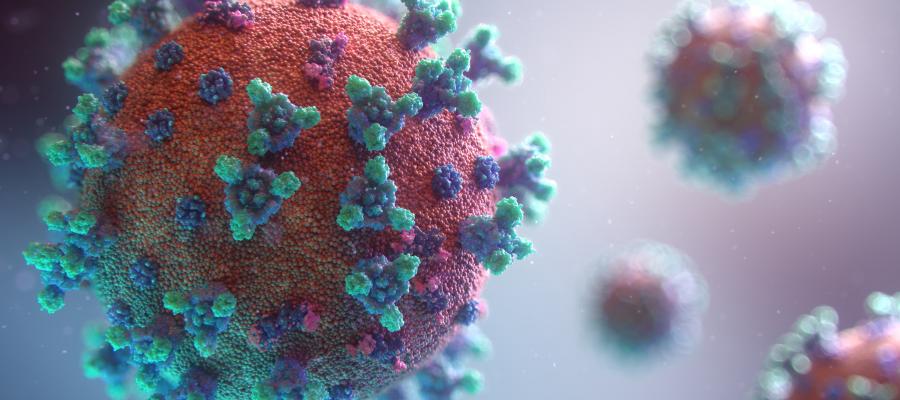
As I write this, the world is in the path of a mounting pandemic. People are frightened. They should be. The novel coronavirus is dangerous. It can and does kill. But its biologically menacing character is just one part of the threat that it poses. The virus also presents us with a social threat.
Read more#FrancisOnFilm: Portrait of a Lady on Fire
09
Mar 2020
Is it wrong to paint someone’s portrait without their consent? Portrait of a Lady on Fire presents this ethical dilemma for an eighteenth century portrait artist. The film is deep on many levels, but one of the most important is how it asks us to think about portraiture, privacy, and consent.
Read more- ‹ Previous
- 5 of 39
- Next ›