Author: Spencer Giel

  • [AUDIO] Is Taste Really Subjective?

    It is said that taste is subjective. But are aesthetic judgments completely groundless? When we say something is in bad taste, does that statement have anything behind it at all, besides expressing our personal disapproval?


  • [AUDIO] How Important is Privacy?

    We have a tendency to desire at least some degree of privacy, allowing us to live part of our lives outside of the public eye. Is privacy foundational to our lives? How much does privacy deserve to be protected when greater safety often comes with its sacrifice?

  • [VIDEO] What Makes for a Good Life?

    It’s one of philosophy’s greatest and oldest questions: how should we live our lives? Seeking pleasure? Knowledge? Self-actualization? Is there meaning to be found in this life? Must we create it ourselves?

  • [AUDIO] When Driverless Cars Go Wrong

    Driverless cars promise to make driving safer. Biut with the inevitability of accidents, who is to blame for the harm caused by them? Does responsibility lie with the car manufacturers, or must we simply accept that we cannot sometimes accidents will happen?

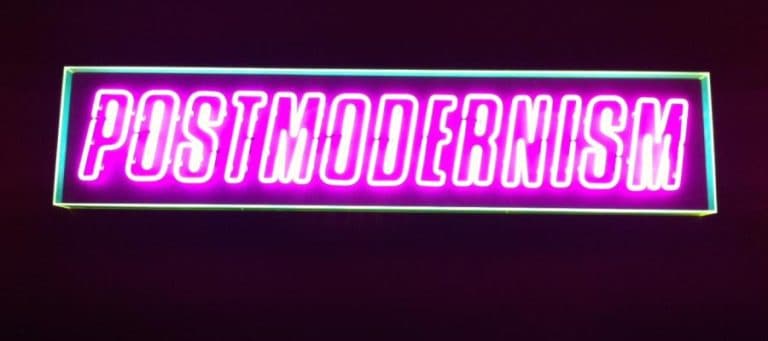
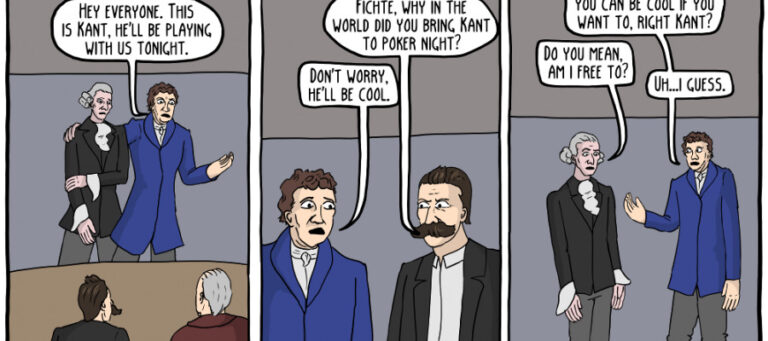
  • [COMIC] Postmodernism Attacks!

    There lingers an ominous line a thought in today’s minds… it has infected experienced intellectuals and millennials alike, putting a spoke in the wheels of centuries of intellectual progress. Can the metaphysicians of the past join their powers to defeat this dangerous foe?

  • [AUDIO] What Constitutes Consent?

    California law defines sexual consent as “Yes means Yes”. In other words, the consent is “affirmative, conscious, and voluntary agreement to engage in sexual activity,” that can be revoked at any time. However, does this definition properly capture what constitutes consent?

  • [AUDIO] Political Utopias: Just Wishful Thinking?

    Are the political utopias we imagine simply a product of wishful thinking? Can we be too caught up in the promises of theory to see beyond our rose-colored glasses? Or are these utopias real objects to aim for, despite how far away they may seem?

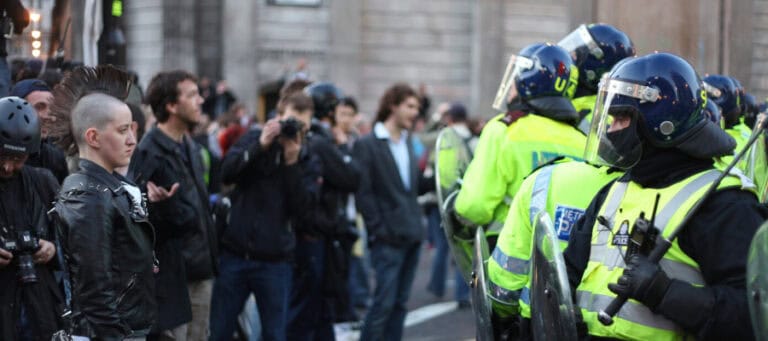
  • [AUDIO] Can a Riot be Justifiable?

    Political riots: are they a legitimate method for the people to express their discontent, or too chaotic and uncontrollable to be deemed effective? When a demonstration turns violent, can that violence ever be justified?

  • [VIDEO] What Is Metaethics?

    Most of us probably have some ideas about what constitutes our personal brand of ethics: questions about what is morally right and wrong pervade philosophy and everyday life. But what about metaethics? What is the difference between a moral realist and anti-realist? Between a moral absolutist and cultural relativist? Which one are you?

  • [VIDEO] Is it OK to Kill Animals for Food?

    Is killing animals for food ever morally justifiable? If the entire planet could survive eating only a vegetarian diet, how could we be justified in killing millions of animals a year? Wireless Philosophy tackles these questions in this video.

  • [VIDEO] So You Think You Can Know?

    What does it mean to know something? How is knowing different from merely thinking of believing? Can we establish strict rules for what constitutes knowledge and what does not?

  • [AUDIO] Art and Morality

    It is not unusual for pieces of art, such as literature or cinema, to address moral questions. However, is art not seen as entertainment by most? Does its role as entertainment affect its ability to comment on morality? Does art have something to offer on ethical questions that other fields, such as philosophy, cannot offer?

  • [AUDIO] What is a Woman?

    What does it mean for someone to be a woman? While the answer to this question for much of human history may have seemed obvious, modern feminist thought objects to many longstanding ideas about gender. Is gender just socially constructed? Is anyone whom identifies as a woman, really a woman?

  • [AUDIO] Why is Free Speech Important? (Ask a Comedian)

    In this podcast of Free Speech Bites, Burmese comedian and filmmaker Zarganar shares his experiences of being silenced for controversial speech and explains why he sees freedom of expression as a significant issue to this day.