Author: Neil Van Leeuwen

  • The “Complicated” Causes of Gun Death (Part II)

    Despite how obvious it is that the perpetually recurring “arguments” given against gun control are bad, many people in the United States are taken in by them. So why aren’t these bad arguments more easily dismissed?


  • The “Complicated” Causes of Gun Death (Part I)

    Imagine an organization—the Materials Rights Association (MRA)—that contributes millions to the campaigns of politicians who keep the laws that govern building materials safety lax. The MRA reaps huge financial rewards because cheap building materials, even if highly flammable, are desirable to its member builders.

  • The Temptation to Feel Baffled

    Yet another school shooting. This one happened on Valentine’s Day in Parkland, Florida, an otherwise attractive suburb north of Ft. Lauderdale. I hear many voices expressing bafflement about the lack of legislative response. But I think it’s the wrong response.

  • Stranger Feelings

    At much insistence from my friends, I’ve started watching the Netflix hit series Stranger Things. One of the great things about the show is that it raises philosophical questions about emotions people experience when taking in frightening fictional events.

  • Lethal Speech

    “Can Speech Kill?” The obvious answer, it seems, should be: yes, but not directly. However, if one person engages in hate speech against another—using racial slurs or de-humanizing language such as “cockroaches” or “rats”—can that language be counted as killing or contributing to killing other people?

  • Two Models of Hypocrisy

    What’s goes on in the mind of a hypocrite, like “pro-life” congressman Tim Murphy, who had to resign when it was discovered he encouraged his mistress to have an abortion? Is he a craven liar? Or is there another psychological model that explains his hypocrisy?

  • To Retract or Not to Retract

    Third World Quarterly, a journal that boasts Noam Chomsky on its editorial board, recently published, then withdrew, “The Case for Colonialism,” by Bruce Gilley when death threats were made against the journal’s editors. But was the journal right to retract the piece?

  • Is “Fascism” a Useful Word?

    The word “fascism” is thrown around so much, it risks becoming an empty label. It has been used to describe students at Yale who demand a safe space as well as self-declared anti-fascists. So should we just give up on this word?

  • Which Statues Should Go?

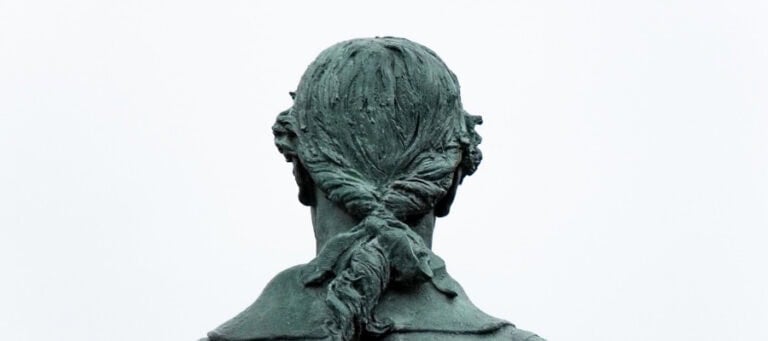
    Many public monuments in the United States depict people who have done hideously immoral things. Almost all depict morally imperfect people. If we accept that some statues should be left in place and some should be torn down, what principles determine which should be torn down?

  • Rumor, Suspicion, and Misinformation

    Why would anyone believe that the symptoms typically associated with AIDS are the product of supernatural practices like sorcery, when a perfectly good and comprehensive scientific explanation of HIV/AIDS is available?

  • Pawns of ISIS

    Who exactly are the pawns of ISIS? There’s the stereotypical image of a Muslim young man, whose mind has been infected by ISIS propaganda. But there are also the Islamophobes, who take themselves to be fighting against any form of Islam, but who are unwittingly executing ISIS strategy.

  • Should Philosophers Get Political?

    Do politically engaged philosophers tend to become part of self-righteous, moralizing, and vindictive internet mobs? Is there a way for philosophers to engage politically without losing the clarity, rigor, and reasonableness that is distinctive of philosophy?

  • Art, Origins, and the Fearless Girl

    At first sight, Fearless Girl, standing across from Wall Street’s iconic Charging Bull, is a powerful symbol of opposition to patriarchal values, which are at their worst in the male-dominated world of high finance. But if you look to her origins, you might experience an astonishing flip of perspective.

  • Queer and Christian?

    Is it a contradiction to be gay and Christian? Is it possible to preserve a traditional religious identity, while maintaining a lifestyle and identity that—ostensibly—the religion’s canonical texts say is wrong? The answer depends on how we think about religious identities.

  • The Philosophical Dimensions of Reparations

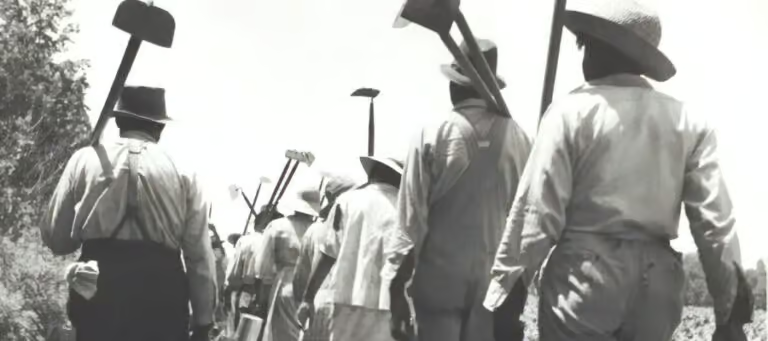
    The historical injustices perpetrated against blacks on American soil span four centuries and would be impossible to quantify. Even if we think reparations are owed, it seems impossible to settle who should pay, and who should receive them. But before we give in to the impulse to throw up our hands, let’s see if we can alleviate our sense of hopelessness by distinguishing components of the challenge injustices pose—the metaphysical, epistemic, and pragmatic dimensions to the question of how to address them.

  • Outrage or Pity?

    In between honoring Martin Luther King Jr. and inaugurating Donald Trump, we remember one of our greatest civil rights leaders and anticipate the presidency of an unabashed exploiter of racism, arguably a racist himself. But what is the right emotional reaction to racism? Empathy? Outrage? Or pity?