Author: Leslie Francis

  • #FrancisOnFilm: The Shape of Water

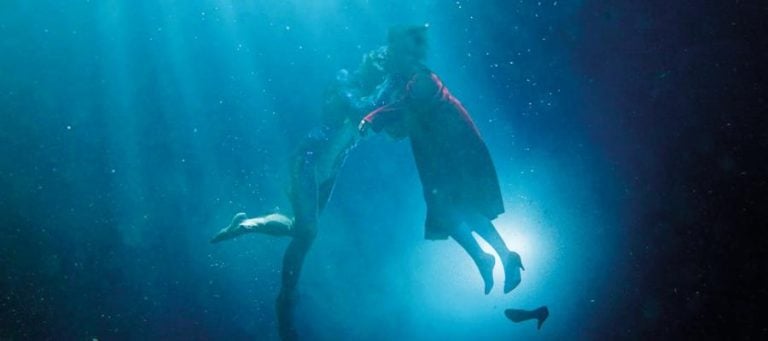
    Loneliness isn’t written about much by analytic philosophers. Nearly everything philosophical written about it is either theological, existentialist, or social psychological. The Shape of Water is a lovely movie for reflecting on loneliness and how it can be overcome in the lives of ordinary people.

  • #FrancisOnFilm: Three Billboards

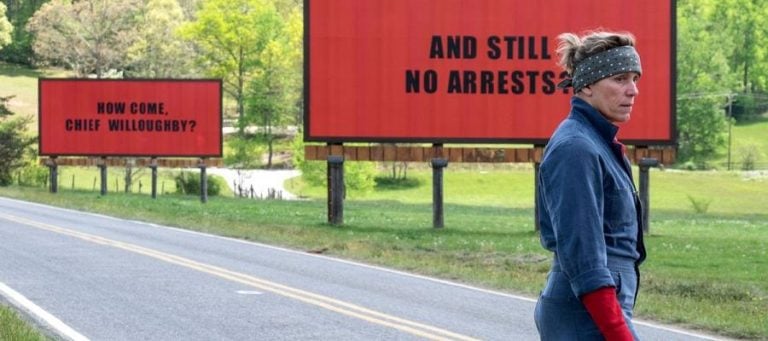
    People who have been grievously harmed may be angry and may believe that such anger is morally justified. But under what circumstances is such anger justified? In what forms may it be permissibly expressed? Three Billboards provides a rich basis for considering themes about the morality of anger.

  • #FrancisOnFilm: Thor Ragnarok

    Thor: Ragnarok is funny, exciting, and visually nifty. The third in a series, it’s a great two-plus hours of entertainment. But it’s not just entertainment; there’s more in Thor philosophically than you might think of when you are caught up in the action.

  • #FrancisOnFilm: Battle of the Sexes

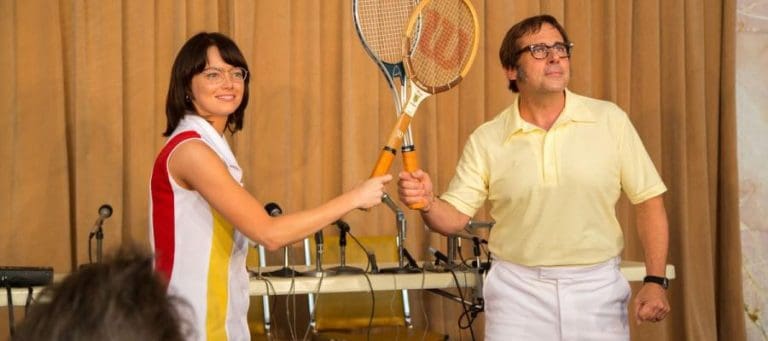
    From the ancient Greeks, philosophical writing about sport has been rooted in theories of virtue and the good. Discussions in this genre regard sport as a form of human excellence. On versions of this view, excluding or marginalizing women in sports is shutting them out from opportunities for excellence.

  • #FrancisOnFilm: Dunkirk

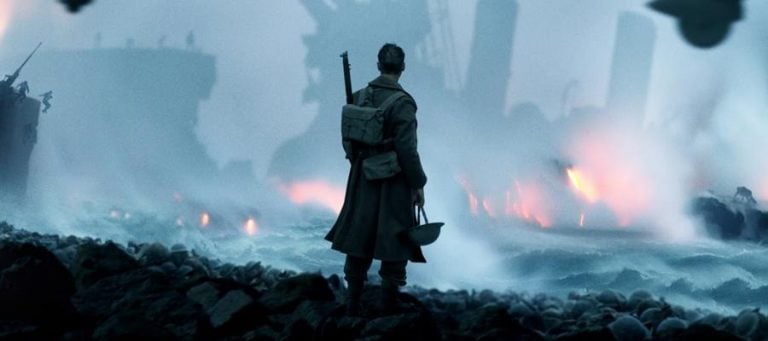
    Christopher Nolan’s Dunkirk portrays ordinary people acting under tremendous fear. Some are glorious, some are mean-spirited, some are anxious, and many are patient. But the lesson to be drawn from this movie is that it is not particular individuals alone but practical solidarity that matters “to outlive the menace of tyranny,” in Winston Churchill’s words.

  • #FrancisOnFilm: Is Wonder Woman a Feminist Movie?

    Wonder Woman is a wonderfully engrossing movie, but is it a feminist one? The answer depends on what you think it means to be a feminist and what you make of the beauty of Gal Gadot.

  • #FrancisOnFilm: Guardians of the Galaxy 2

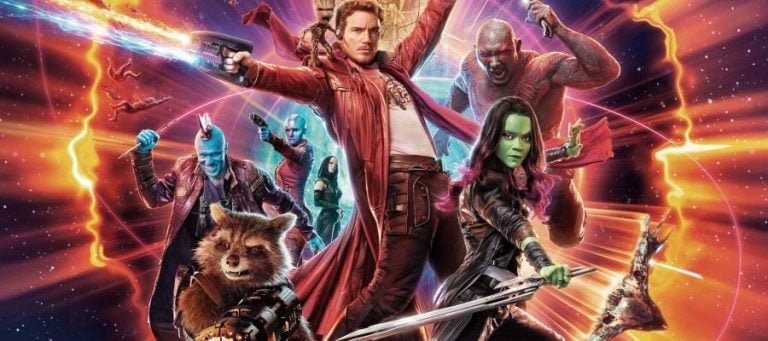
    Guardians of the Galaxy Vol. 2. is a fun movie with psychedelic colors, battles in space, and great ’70s music played on a Walkman. But it also touches on the famous brain in a vat thought experiment, which raises the skeptical problem: how do you know all your experiences aren’t illusory?

  • #FrancisOnFilm: Get Out

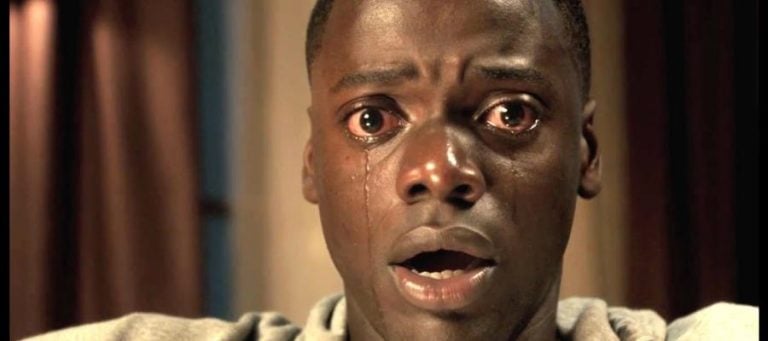
    Get Out by Jordan Peele has been a huge hit with movie goers. Critics emphasize its horror and race aspects, but there’s another reason to see Get Out. It brings Hegel’s master-slave relationship into focus

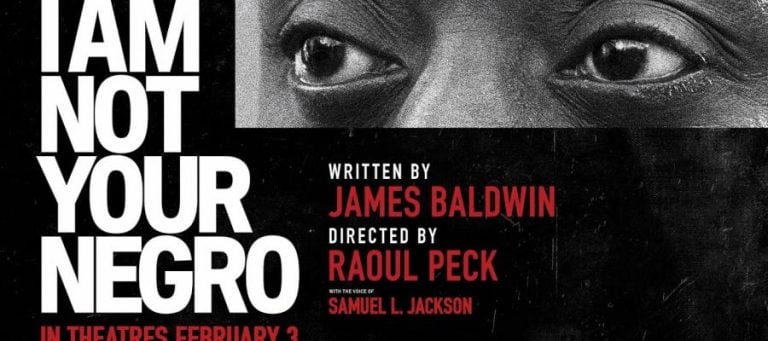
  • #FrancisOnFilm: I Am Not Your Negro

    I Am Not Your Negro, an extraordinary documentary by Raoul Peck, presents the critical relevance of James Baldwin to the violence that engulfs many African Americans today. But is it a movie made more for white liberals than for African-Americans?

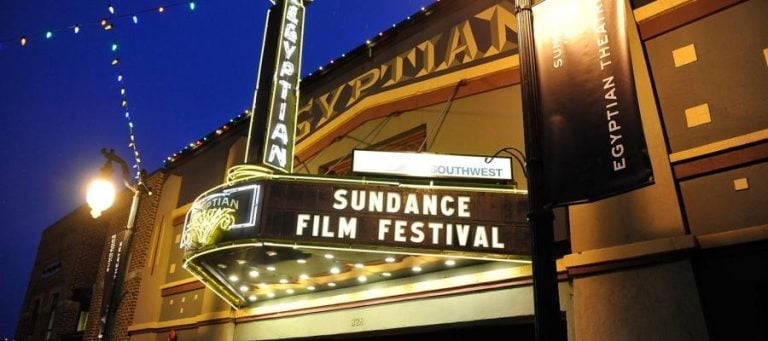
  • #FrancisOnFilm: Sundance – It’s a Wrap!

    In the last three days of Sundance, I was fortunate enough to see a few more movies worth looking out for. The first four below haven’t reportedly been sold for distribution, but you may be able to catch parts or all of them online.

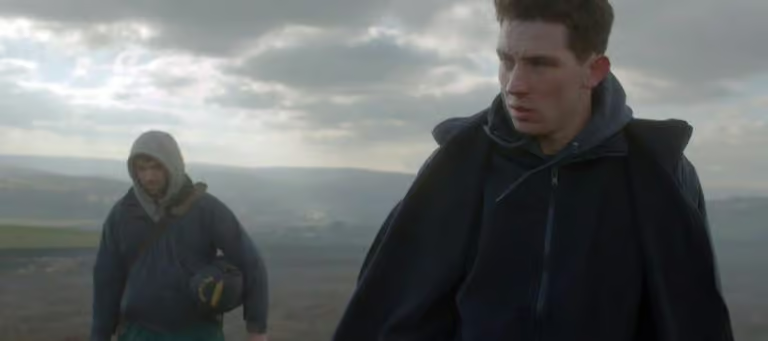
  • #FrancisOnFilm: Authenticity at Sundance

    Francis Lee’s “God’s Own Country” is one of this year’s gems at Sundance. It’s power lies in its utter authenticity. But what makes a film authentic?

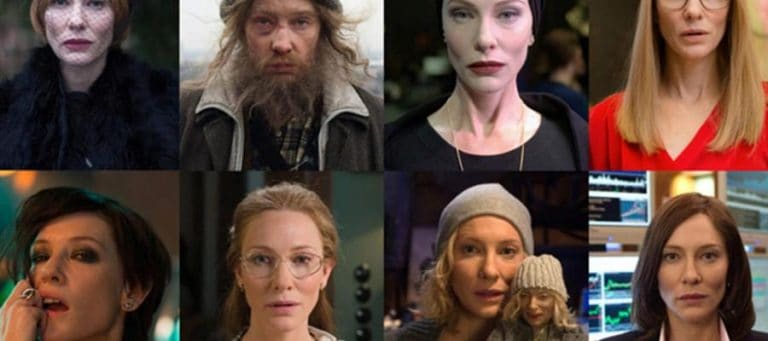
  • #FrancisOnFilm: Art Manifestos at Sundance

    Manifesto, starring Cate Blanchett and directed by German filmmaker Julian Rosefeldt, transforms a visual installation into film. Blanchett plays roles from an elderly vagrant in an abandoned factory in Berlin reflecting situationist artists such as Lucio Fontana to a new anchor and reporter question and answer about minimalism.

  • #FrancisOnFilm: What is a Documentary?

    Is it a film that records (i.e. “documents”) events? Re-tells them? Or shapes them? Sundance is a film festival renowned for its documentaries and this year is no exception.

  • #FrancisOnFilm: Al Gore at Sundance – Truth to Power

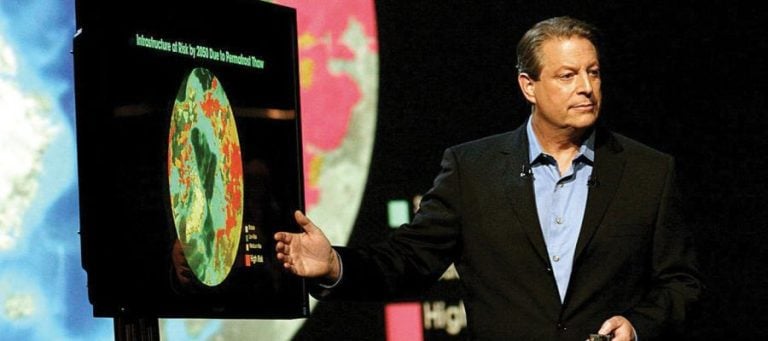
    An Inconvenient Sequel: Truth to Power brings Al Gore’s message of the urgency of addressing climate change to film audiences. People interested in philosophy should see this film not only for what it says about the environment and politics but also for what it says about truth and how to present it.