Author: Josh Landy

  • Perverse Desire

    There’s something fascinating about those kids who ate laundry soap as part of a weird “challenge,” or people who deliberately loiter on the steps with the “no loitering” sign. These are strange things to want to do—what are people getting out of them?
  • Why Read Proust in 2022?

    
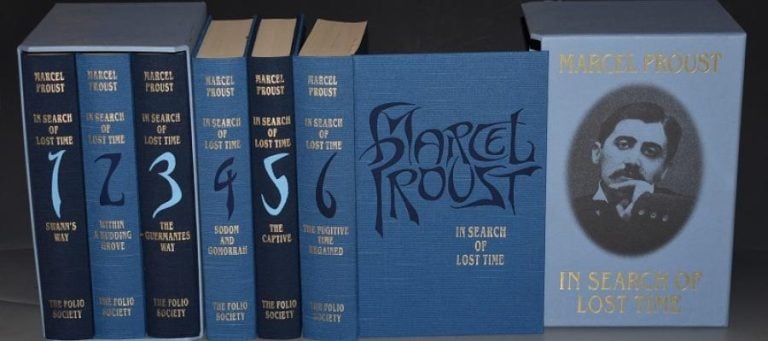
The world is on fire; authoritarianism threatens multiple countries; racism and xenophobia are rampant; women’s and LGBTQ rights are under threat—why would anyone spend time reading a novel by a man who’s been dead a hundred years?

  • The Staying Power of Poetry

    I was delighted when Louise Glück, one of the great poets of our age, won the Nobel Prize in Literature. I wrote about one of my all-time favorite poems, “Ithaca,” for this week’s episode, “Why Poetry Matters,” with Louise as guest!

  • Who Wants to Be a Stoic?

    What can we learn from the Stoics about living a good life? Should we all try to become indifferent to pain, suffering, and death? This week we’re thinking about the Stoic philosophy of Roman emperor Marcus Aurelius.

  • Virtual Reality, Real Feelings

    Can virtual reality make people more empathetic, train students in the scientific method, and help people overcome their fears? This week’s episode asks whether VR is a force for good, a force for ill, or not much of a force at all.

  • Age, Ageism, and Equality

    Is age discrimination always wrong? Or it is fair to treat different ages differently? How do we take people’s age into account without being ageist? These are the questions we’re asking this week, in an episode called “Should All Ages Be Equal?”

  • Literary Minds

    What can neuroscience tell us about novels, poems, and plays? Can fiction help us develop real-world cognitive skills? And can writers exploit our mental weaknesses—for our own good? These are some of the questions we’ll be asking on this week’s episode.

  • What Montaigne Knew

    Are essays a good way to do philosophy? What if they’re full of digressions and contradictions? Could that possibly make them more philosophical, not less? This week we’re thinking about Michel de Montaigne and the art of the essay.

  • 2020: The Year in Poetry

    As 2020 draws to a close, we take a look back at the year that has been. One good thing happened this year: the Nobel Prize in Literature was awarded to Louise Glück. Tune into this week’s show, “The Examined Year: 2020” to hear some of her poems, including my all-time favorite, “Ithaca.”

  • Should the Arts Be for All?

    Should artists make artworks that are easy to understand? Or should there be challenging artworks out there, but free education to help us understand them? What, if anything, is the value of difficult paintings, poems, and novels? This week we’re thinking about “The Arts for All.”

  • Why Games Matter

    Do games help us form social bonds and build important life skills, or are they just a pleasant way to escape the daily grind? Worse yet, could playing games make us lazy and antisocial? These are some of the questions we’re asking in this week’s show, What’s in a Game?

  • Benjamin and Modern Enchantment

    Has the modern world become disenchanted? Is there a way to find the magic again? In this week’s show, we’re discussing Walter Benjamin, the German-Jewish cultural critic from the early 20th century, who had fascinating things to say about this.

  • Can Philosophy Help in a Crisis?

    We are months into a global crisis that has claimed at least 300,000 lives around the world and left many others feeling isolated and alone. Can the arts and humanities help us find comfort, connection, and a sense of common purpose in these difficult times? In particular, can philosophy?

  • Sorry, Critics: Parasite is a Good Movie

    For me—as for the good people at the Oscars—Parasite was far and away the best film of 2019. Critics, however, are eagerly denouncing it as a failure, a capitulation, a “conservative” film, indeed a movie full of “contempt” for the working class. What is going on?

  • Is the Self Real?

    Is there such a thing as a self, something that makes you who you are? Or is the self just a convenient fiction? Would the world be a better place if we all stopped believing in selves? These are some of the questions we’re asking in this week’s show.

  • The Appeal of Authoritarianism

    Why do some people find authoritarian leaders so appealing? Why do they sometimes secure vast numbers of votes in democratic elections? Are humans naturally drawn to tyrants? These are some of the questions we’re asking in this week’s show.