
Pain, Boredom, and Everything/Nothing in Between
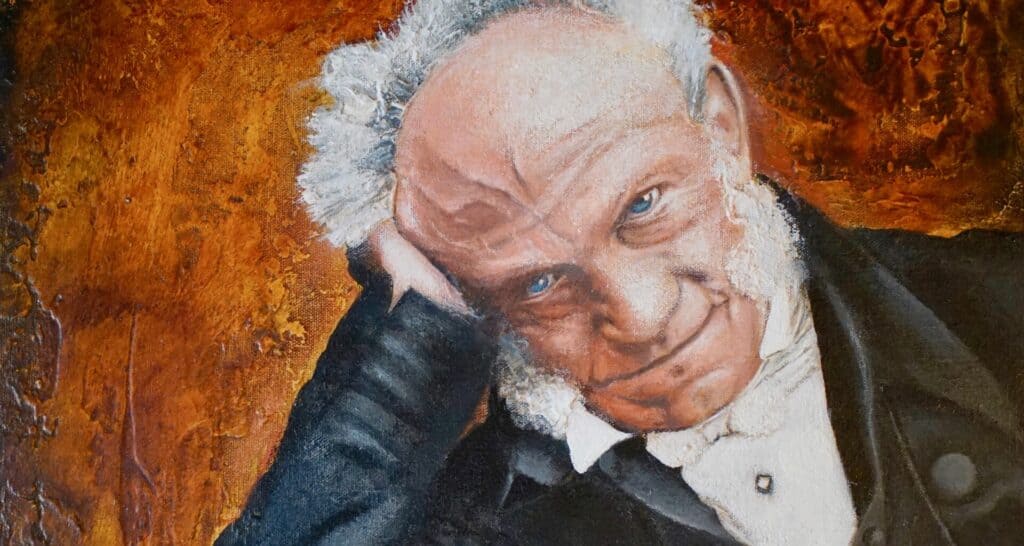
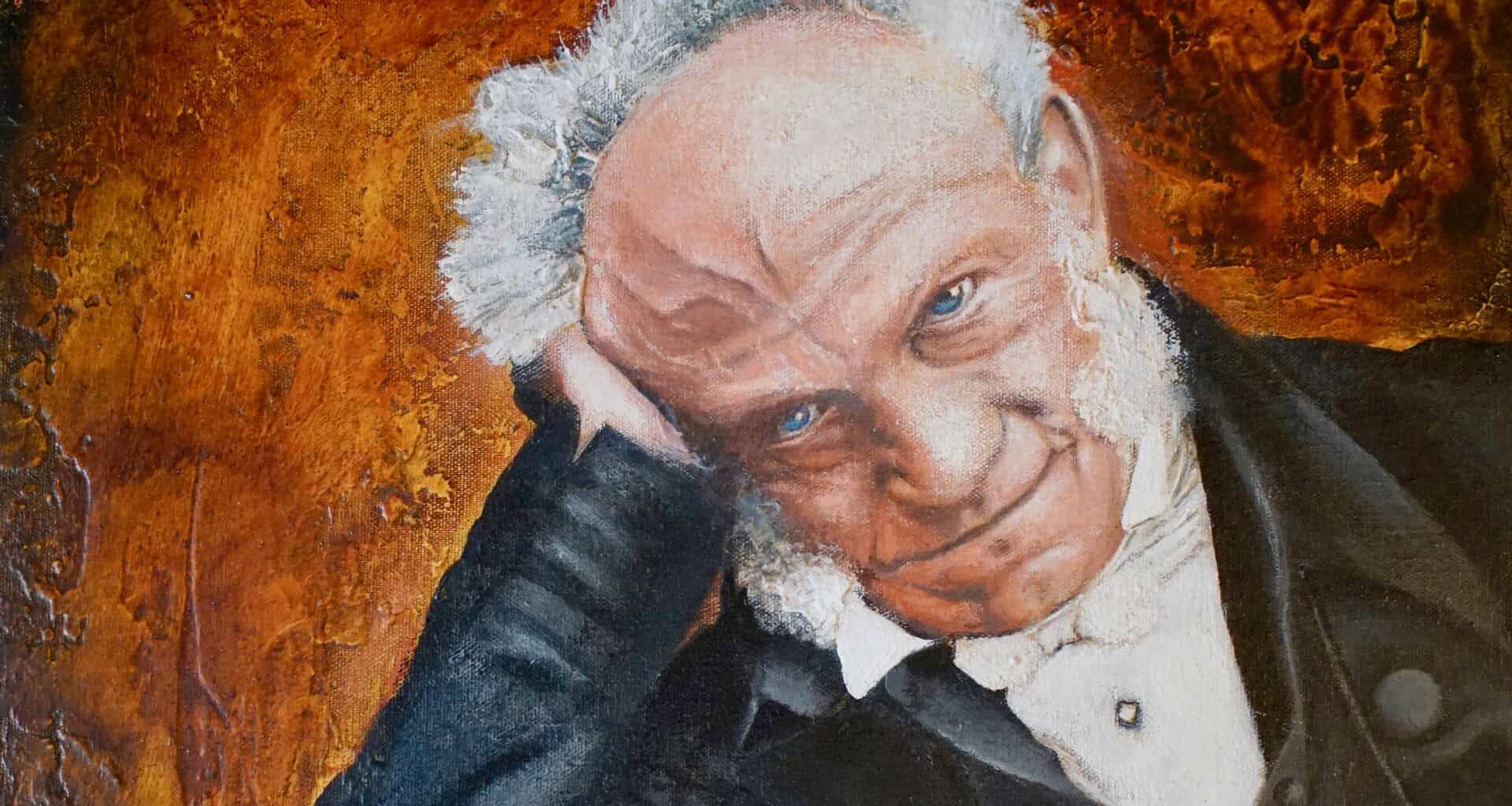
We at Philosophy Talk have a big soft spot for Schopenhauer, in spite of his gloomy view of the world. Inspired in part by Buddhism, Schopenhauer pointed to the huge quantity of suffering in life, driven by our insatiable desires. He said that “life has no genuine intrinsic worth” and that in our world “happiness is not even conceivable.” Could he perhaps have a bit of a point?
We might be tempted to say that, alongside the suffering, there’s plenty of joy to be found. Life isn’t just pain, famine, and war; it’s also kittens, cupcakes, and cures for cancer. But Schopenhauer is happy to accept all that. He just says the quantity of suffering vastly outweighs the quantity of joy. Imagine, he says, a lion eating an antelope. The antelope is having a really bad day; for the lion, however, it’s just another lunch. To Schopenhauer, that’s what life is like: mountains of suffering and molehills of joy.
Being eaten by a lion is a pretty dramatic scenario, and hopefully not likely to befall any of us. But we do experience conflict; we do get sick; we do experience the loss of our loved ones; and eventually we ourselves pass away. In the meantime, we suffer from all those desires of ours that never get fulfilled: the ideal job, the ideal partner, the ideal political arrangement. Wanting makes us miserable—all that yearning, all those miserable first dates, all those cars we can’t afford.
Even in the rare cases when we get what we want, says Schopenhauer, our joy is short-lived. You save and save till you can finally afford that VR headset; you play with it for 3 months; then you stick it in the garage, where it gathers dust. Schopenhauer actually thinks there are only two emotional states: suffering and boredom. When you’re yearning for love, you suffer; when you get it, you’re bored. You miss the chase. You suffer from no longer having a desire to suffer from.
So how do we escape this awful situation? Easy, says Schopenhauer: just give up your desires. Give up your attachment to your sense of self. As soon as you stop thinking about yourself as a special unique individual, and stop yearning for Porsches and partners and parties, you’ll find your frustration melting away. As a bonus, you’ll also be kinder to other people.
It’s a very Buddhist view, as Schopenhauer himself noted. But what about the non-Buddhists among us who feel reasonably at peace with our desires, and want to continue being ourselves? Our guest will have more to say about that: it’s David Bather Woods, author of a new book, Arthur Schopenhauer: The Life and Thought of Philosophy’s Greatest Pessimist.