What is Beauty?
Mar 15, 2005Are there objective standards of beauty? Or is beauty in the eye of the beholder? Must art be beautiful to be great art?
Anything someone wants to call art? Or are there some objective criteria, that not every instance of paint smeared on canvas and not every murder mystery meets? What are the main philosophies of art? Are any of them plausible? John and Ken talk about the nature of art with Alexander Nehamas from Princeton University.
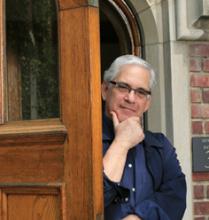
What is art? An old conception of art is that it was supposed to be beautiful or represent something. What happened? Are there necessary and sufficient conditions for being art? Ken suggests that art might be a family resemblance concept, that is, lots of different art pieces resemble each other, but there is no underlying thread that connects them all. What makes an artistic process artistic? Ken introduces the guest, Alexander Nehamas, professor at Princeton. Nehamas points out that the first time that the question of what art is came up was in the 19th century in a pamphlet by Leo Tolstoy. Nehamas doubts that one can define art. Ken suggests that art is whatever is made in an artistic process and consumed as art. John counterrs that this is circular. Nehamas points out that most pieces of art in museums were not intended to be art. Nehamas thinks that to be an art object, that object must differ interestingly from others of its kind.
Nehamas thinks that the desire to make something special is characteristic of the artistic process. Is there a legitimate difference between high art and low art? A lot of people think art is only the stuff hanging in the museums. Historically, much art was made for popular entertainment. Does this mean we should expect popular culture like Seinfeld to be the only thing to survive the passage of time? Nehamas points out that we need to consider why we would want an algorithmic way of deciding what is art.
What is the connection between beauty and art? Nehamas thinks that all art is beauty although it may not all be pretty. Beauty, he says, involves whether you like it. Much modern art is engaging although it isn't pretty. What does art do for us? Nehamas says that primarily it is for us to enjoy.
Can just anything be art? Nehamas points out that it is hard to convince people that something is art. There is also status involved in art, like Bach's commisioned pieces. A lot of art is inaccessible because it requires background knowledge, but many people think that it should be immediately engaging. John points out that some art is aimed at a small group of viewers. Nehamas thinks that it is difficult to appreciate any art, even great art. He says that we need to learn how to appreciate art, from paintings and sculpture to television and punk rock.