Show

Terrorism

Week of: 
June 01, 2004
What is it: 

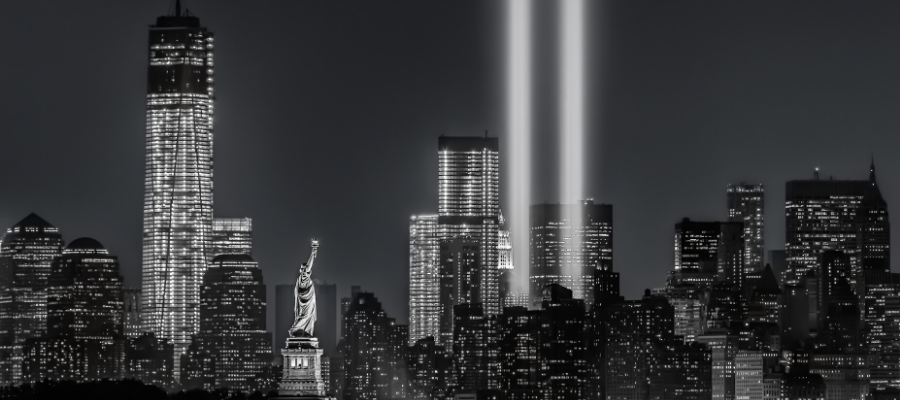
We like to think that terrorism is always wrong. But what if the cause is just? Do the ends ever justify the means? And how do we define "terrorism" anyway?

Listening Notes: 

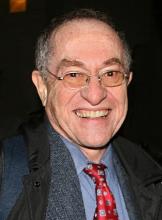
What is terrorism? As used in modern journalism, it requires three things: non-state actors, a political agenda, and innocents must be killed intentionally. How are civilian deaths in terrorism different from collateral damage in, say, war? Ken introduces Alan Dershowitz, professor of law at Harvard. Is terrorism ever morally justifiable? Dershowitz explains why state sponsored warfare and is not as bad as terrorism. Dershowitz explains why he thinks that terrorism is not always wrong.

What philosophical views are useful for thinking about terrorism? Dershowitz answers that he would not want a single ethical view to dominate thinking about ethical matters. Is torture justified if it means that you can find a ticking time bomb by torturing a suspect? Dershowitz thinks that it can be justified in certain circumstances. John explains how Dershowitz's utilitarian views play into his philosophy. Dershowitz explains why he thinks that the distinction between civilian and military should be changed to a continuum of civilianness. Have there been any successful uses of terrorism? Is terrorism rational? Ken and Dershowitz both think that it is rational, although it is not the only rational course of action.

Should state-sponsored actions be included in the definition of terrorism? Dershowitz thinks it should, as a lot of terrorism has historically been state-sponsored. Ken says that the notion of state-sponsorship has changed. Now groups are hosted by a state without being sponsored and they can use new communication technology to organize. Is “terrorist” just a negative version of “freedom fighter”? Dershowitz distinguishes between groups that fight against occupying armies and groups that kill civilians. Dershowitz and Ken introduce the principle of double effect to explain the morality of killing a terrorist on a plane.

  • Amy Standen the Roving Philosophical Reporter (Seek to 04:48): Amy interviews Bill Ayers, a founder of the political activist group, Weather Underground, about the use of violence in political protest.
  • Ian Shoales the Sixty Second Philosopher (Seek to 49:40): Ian Shoales summarizes the history of terrorism, from the to the assassins to the zealots, from the French Revolution to World War 1.

Alan M. Dershowitz, Felix Frankurter Professor of Law, Harvard University

Related Resources: 

Get Philosophy Talk

Live

Sunday at 10am, PST, KALW, 91.7 FM, Local Public Radio, San Francisco

Streaming

Broadcast live on your iPhone or Android using the Public Radio Player

Podcast

Individual episodes, multipacks and The Complete Philosophy Talk on sale now through Iamplify.   Individual episodes available through Itunes and CD Baby.

Subscribe

Subscribe to our free weekly download service, and our monthly eNewsletter

John Perry and Ken Taylor

Talk to Us

Sidebar Menu

Upcoming Shows

  • May 19 : Faith, Reason, and the Art of Living
    It sounds plausible to require that all our beliefs be based on evidence and sound reasoning. Yet some people's most cherished beliefs, like their...
  • May 26 : Summer Reading List 2013
    Summer is the perfect time to dig in to deep reading. Heidegger's Being and Time may be a bit much to take on vacation, but there are lots of...
  • June 02 : Gay Pride & Prejudice
    The question of gay rights has become a hot button issue, with opposition taking on the air of a moral panic and support taking on the air of a...
  • June 09 : Physics, Philosophy, and Theology
    The world disclosed by the physical sciences can seem depressing. Modern physics, for example, has undermined the religious idea that the universe...
  • June 16 : Educaton and the Culture Wars
    In contemporary democracies, the state is responsible  for providing children with an education. But parents surely have both the right and...

Support Philosophy Talk

DONATE TODAY

Philosophy Talk relies on the support of listeners like you to stay on the air and online. Any contribution, large or small, helps us produce intelligent, reflective radio that questions everything, including our most deeply-held beliefs about science, morality, culture, and the human condition. Make your tax-deductible contribution now through Stanford University's secure online donation page. Thank you for your support, and thank you for thinking!