THE BLOG @ PHILOSOPHERS' CORNER
THE BLOG @ PHILOSOPHERS' CORNER
Anti-Sacred Spaces
27
Feb 2020
According to the "Blowing Off Steam" theory, rough humor—humor that deals with culturally sensitive issues in a way that bumps into or violates taboos—helps release people’s anxieties and stresses in a safe environment. Specifically, it is a release of sacred anxiety.
Read moreIs the Self Real?
20
Feb 2020

Is there such a thing as a self, something that makes you who you are? Or is the self just a convenient fiction? Would the world be a better place if we all stopped believing in selves? These are some of the questions we're asking in this week's show.
Read moreAm I in Everything I Imagine?
13
Feb 2020

Imagination is one way we can get outside our own skin and get a sense of other people’s lives. But when we take imaginative travels, must we always imagine ourselves being part of these other worlds—or can we simply imagine these worlds without including ourselves in them?
Read moreWhat Is Good Philosophy?
06
Feb 2020
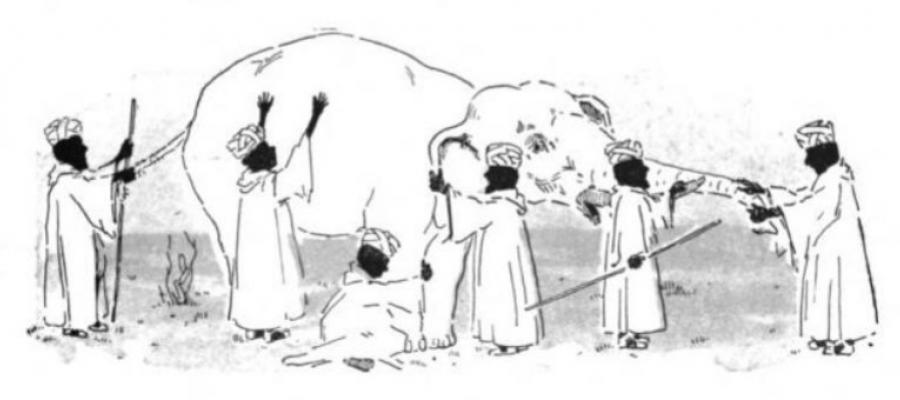
Not too long ago, I had a Twitter exchange with Philosophy Talk’s Josh Landy about whether Freud was a good philosopher. It struck me that I’ve never given much thought to the question of what good philosophy is. Is it just a matter of taste? Or are there guidelines for separating the wheat from the chaff?
Read more#FrancisOnFilm: Dionysus for Docs
03
Feb 2020
A documentary film has never won the Philosophy Talk Dionysus Award for Most Philosophical Film of the Year. But documentaries often raise complex philosophical issues and get us to question our assumptions. This year’s Oscar nominees for Best Documentary are no exception.
Read moreRough Humor
29
Jan 2020
One current culture war in North American society concerns rough humor—jokes, skits, writings, cartoons, etc. that deal with culturally sensitive issues in a way that bumps into or violates taboos. But is there something harmful about rough humor?
Read moreIs the Sentence Becoming Passé?
26
Jan 2020
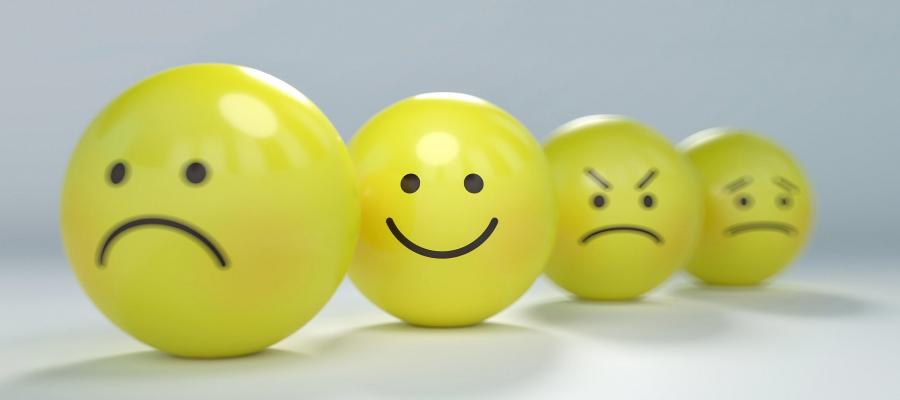
In an age of emojis, memes, and reaction gifs, are complete sentences becoming passé? Do outmoded forms of writing deserve to die? Or could there be room for more than one kind of writing? These are the questions we're asking on this week's show.
Read moreWhat Is a “Vivid” Mental Image?
23
Jan 2020
What is a mental image? You might say it’s like a picture that belongs to the “mind’s eye.” Or you might say it's like a visual experience, only less vivid. But what, exactly, does it mean for mental images to be less vivid than genuine visual experiences of the world?
Read moreComedy on the Edges
14
Jan 2020
Is there comedy so offensive that it shouldn’t be allowed? Do some jokes encourage bigotry and hatred? Could edgy comedy ever be good for society? These are some of the questions we’re asking in this week’s show, our first new show since Ken died last month.
Read moreWhat the Future Holds
06
Jan 2020

Hume's problem of induction is that there’s no logical basis for drawing conclusions about what will happen in the future on the basis of what’s happened in the past. Doing so rests on an assumption that’s at best a leap of faith, and at worst an example of intellectual laziness.
Read moreKen’s Unfinished Project
27
Dec 2019
One Sunday in the spring of 2007, John and I walked into the back room of KALW to find Ken singing. Back then I was both Ken’s PhD student and the director of research for Philosophy Talk, so it was always a treat to catch my advisor and boss being playful. He was coming up with different lyrics for Sinatra’s classic “Love and Marriage.”
Read more2019: The Examined Year
23
Dec 2019
If you think 2019 went by fast, it's nothing compared to the speed of Ian Shoales' lightning fast recap of the year. From streaming services to superheroes, from Ukraine and Russia to North Korea, from incels to your mom smoking dope. Not even Santa can cover this much ground so quickly!
Read moreHow Much Thought Is Inactive?
19
Dec 2019
How much of your mental life is intentional action? And how much of it consists of inaction, not doing anything at all? To answer that, we need to get clear on what we mean by “intentional action” and “inaction.”
Read moreHuman, Subhuman, or Both?
13
Dec 2019

Some scholars are skeptical of the claim that people dehumanize others by conceiving of them as less-than-human beings—in a literal rather than a figurative sense. However, there is evidence that those who dehumanize others conceive of them as both human and subhuman at the same time.
Read moreA Tribute to Ken Taylor
04
Dec 2019
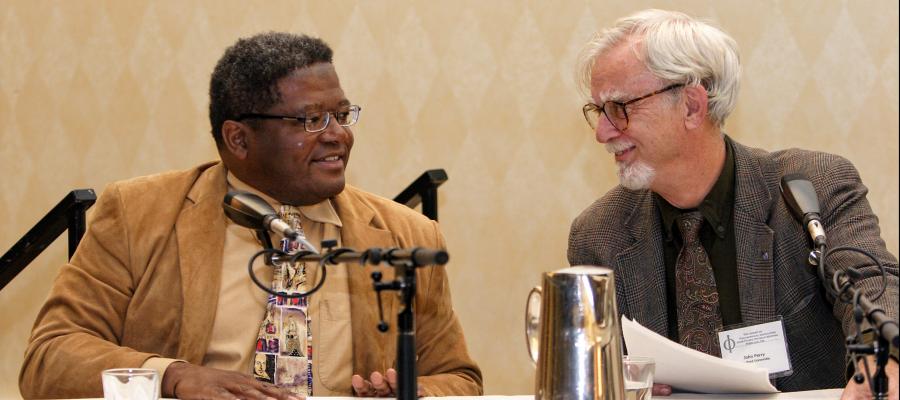
I was shocked and saddened to hear of the death of Ken Taylor, a long time friend, colleague, and co-host. Stunned, actually. A great man with a wonderful family, who have my deepest sympathy. I always thought of Ken as my younger brilliant energetic colleague. It wasn't his turn to die.
Read moreNonhuman Persons, Nonhuman Rights
24
Nov 2019
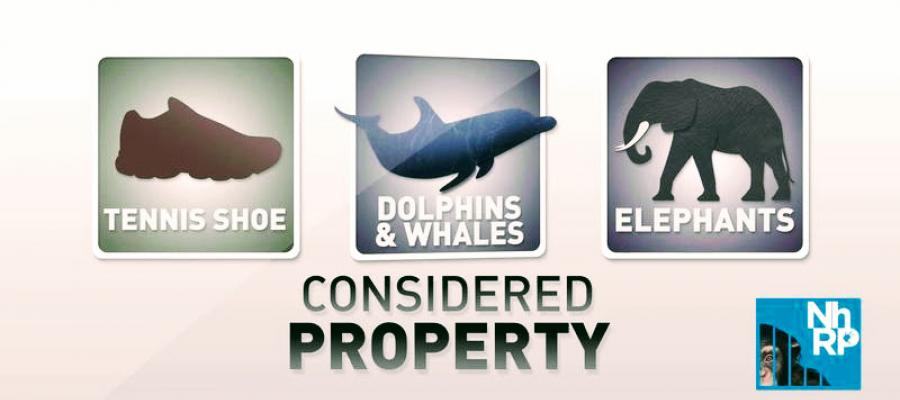
Should some nonhuman animals be regarded as persons in the eyes of the law? And should animals so-regarded be allowed to sue in court to protect their legal rights? These are some of the questions we’re asking in this week’s show.
Read more#Francis-on-Film: Parasite
20
Nov 2019
Parasite, the new critically-acclaimed film by the South Korean director Bong Joon-ho, challenges audiences to probe social parasitism amidst growing inequality in a largely affluent country. Who exactly are the parasites? And what makes them parasites?
Read moreSanctuary Cities
16
Nov 2019
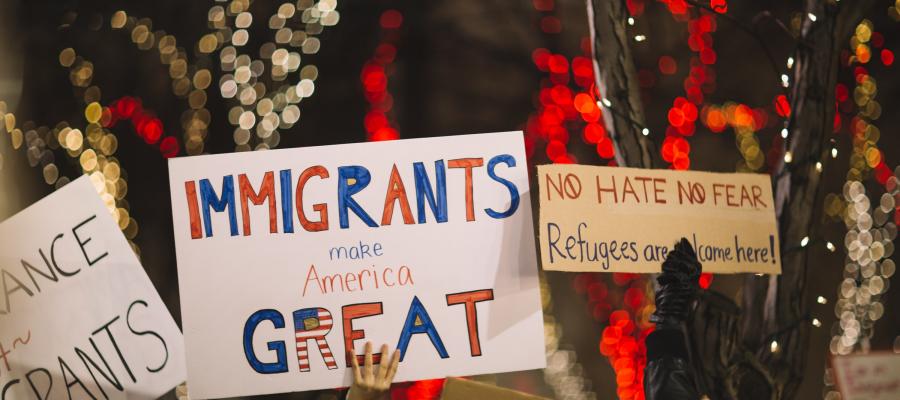
What gives a city the right to offer sanctuary to unauthorized immigrants? Can local or state government ever be justified in defying the laws of the nation? These are some of the questions we’re asking in this week’s show, recorded live in front of an audience at SF State University.
Read moreWhy Not Change Your Core Self? Part II
12
Nov 2019

If you could snap your fingers and all your tastes and preferences would change overnight, would you do it? In my last post, I considered two kinds of answer to this question, but neither seemed satisfying, because neither gave us any reason not to make the change.
Read moreA Puzzle About Sacred Values Part II
08
Nov 2019
Classic theories of choice posit that our preferences are transitive. But in a recent blog, I wrote about how sacred values have the puzzling feature of violating transitivity. So how should we interpret the fact some people seem to violate transitivity, when it comes to sacred values?
Read moreHobbes and the Absolute State
03
Nov 2019
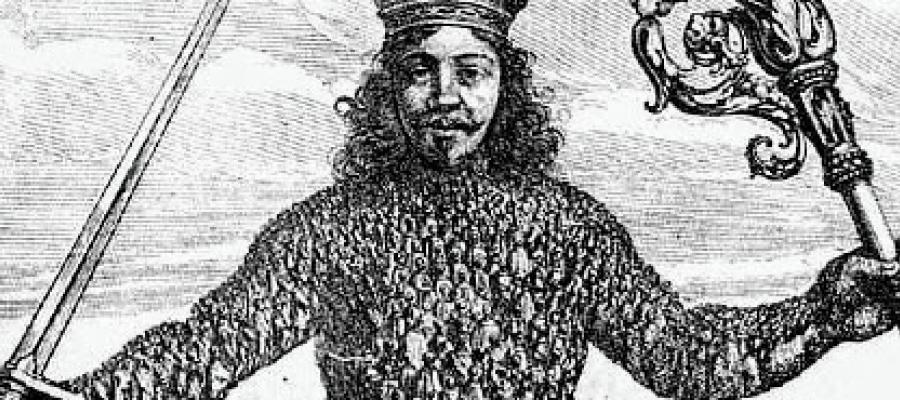
Shouldn’t citizens have a say in how they are governed? Or is that just a recipe for extremism, division, and war? Do we need a ruler with absolute power to maintain peace? This week we’re thinking about Thomas Hobbes and his views about citizenship and the state.
Read moreReal Horror
30
Oct 2019

We enjoy horror flicks because we know the horror isn’t real. The monsters are all make-believe monsters. But the idea that there are real monsters was and is regarded by many people with deadly seriousness, and not just by those who are shrouded in superstition.
Read moreWhy Not Change Your Core Self?
25
Oct 2019
Let’s say you could snap your fingers and all your various tastes and aesthetic preferences changed overnight. You would appreciate different foods, you would like different books, you would prefer different colors and clothing styles and jokes. Would you do it? I’m guessing your answer is ‘no.’
Read moreMachine Consciousness
21
Oct 2019

Is AI bound to outstrip human intelligence? Should we be excited about using it to enhance the human mind? Or should we fear the rise of robot overlords? These are the kinds of questions being raised not just in science fiction but in sincere prognostications about AI.
Read more#FrancisOnFilm: Downton Abbey
18
Oct 2019
As a Downton Abbey neophyte, I cannot comment on whether the movie satisfactorily resolves the loose ends from the series, but I can say that it reveals social tensions rather than resolving them. Class is both idealized and undermined, and outsiders are both heralded and ultimately absorbed.
Read more- ‹ Previous
- 6 of 39
- Next ›